


What causes heaviness in the head, decreased memory, easy fatigue, and sleepiness?

Generally, symptoms such as heaviness in the head, decreased memory, easy fatigue, and excessive sleepiness may be caused by long-term sleep deprivation, excessive mental exertion, neurasthenia, anemia, insufficient cerebral blood supply, or other reasons. If abnormalities occur, it is recommended to seek medical attention promptly. Specific analysis is as follows:
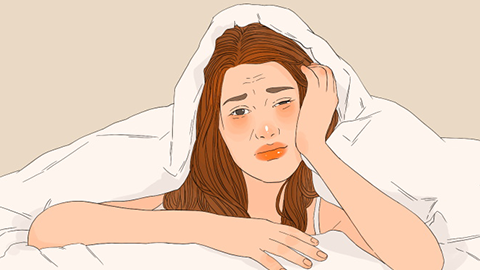
1. Chronic Sleep Deprivation: Long-term staying up late and poor sleep quality prevent the brain from getting sufficient rest, leading to persistent fatigue of nerve cells, which results in a heavy feeling in the head, reduced memory, tiredness, and drowsiness. Adjust your daily routine by maintaining consistent bedtime and wake-up times, ensuring 7–8 hours of sleep each night. Avoid exposure to electronic screens before bed, and improve sleep quality through practices such as soaking feet in warm water.
2. Excessive Mental Labor: Prolonged periods of intense thinking, studying, or working increase the brain's oxygen consumption and accelerate energy depletion, causing fatigue, a heavy-headed sensation, and impaired memory. Arrange work and rest intervals reasonably—take a 10–15 minute break after every hour of work. Engage in activities like walking or gazing into the distance to relax the brain and avoid overstraining mental capacity.
3. Neurasthenia: Persistent psychological stress and emotional tension can lead to nervous system dysfunction and reduced brain regulatory capacity, resulting in symptoms including a heavy head, memory decline, fatigue, sleepiness, as well as insomnia and anxiety. After medical evaluation, medications such as oryzanol tablets, vitamin B1 tablets, or Anshen Bunao Liquid may be prescribed to regulate nervous system function, along with psychological counseling to relieve stress.
4. Anemia: A reduction in red blood cells or hemoglobin decreases the blood’s oxygen-carrying capacity, leading to inadequate oxygen supply to the brain. This causes symptoms such as a heavy head, memory impairment, weakness, sleepiness, pallor, and dizziness. After diagnosis by a physician, treatment should target the underlying cause—for example, iron supplements such as ferrous sulfate tablets or ferrous fumarate tablets for iron-deficiency anemia, taken together with vitamin C tablets to enhance iron absorption.
5. Insufficient Cerebral Blood Supply: Conditions such as cerebral vascular narrowing or arteriosclerosis reduce blood perfusion to the brain, causing cerebral hypoxia and ischemia. This leads to symptoms including a heavy head, memory loss, fatigue, sleepiness, dizziness, and limb numbness. Seek immediate medical care; doctors may prescribe enteric-coated aspirin tablets, ginkgo leaf extract tablets, or citicoline sodium capsules to improve cerebral circulation, and further targeted treatments if necessary.
In daily life, maintain a balanced diet rich in protein and vitamins, engage in moderate physical activity such as brisk walking or jogging to strengthen overall health, and seek timely medical attention if symptoms persist or worsen. Always strictly follow medical advice during treatment.


