


How to relieve a stinging sensation in the nose when breathing

A stinging sensation in the nose during breathing may be caused by dry air, external irritants, atrophic rhinitis, allergic rhinitis, or nasal vestibulitis. Symptoms can be improved through moisturizing care, avoiding irritants, and medication. If the stinging sensation persists or worsens, or is accompanied by nosebleeds or nasal congestion, prompt medical attention is recommended.
1. Dry Air: Low environmental humidity causes moisture loss from the nasal mucosa, leading to dryness, fragility, and a stinging sensation—especially noticeable upon waking or when inhaling cold air. It is recommended to use a humidifier to increase ambient humidity, apply saline nasal sprays daily to moisten the nasal passages, and drink plenty of water to maintain hydration.
2. External Irritants: Inhaling dust, smoke, or irritating gases can directly irritate the nasal mucosa, causing a stinging sensation and possibly nasal itching. It is advised to immediately leave the irritating environment, rinse the nasal cavity with warm water, and wear a mask to reduce inhalation of harmful substances.
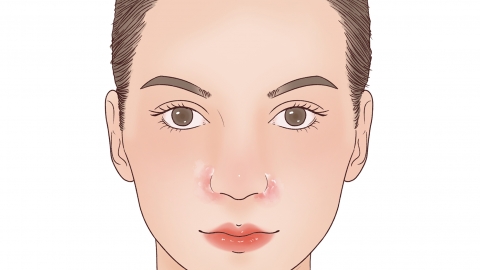
3. Atrophic Rhinitis: Prolonged exposure to climatic or environmental factors reduces secretion from nasal mucosal glands, resulting in dryness, congestion, and a stinging sensation, often accompanied by a burning feeling and crust formation in the nasal cavity. Patients may use medications such as compound menthol nasal drops, saline nasal spray, or vitamin AD drops under medical guidance to alleviate symptoms.
4. Allergic Rhinitis: After exposure to allergens like pollen or house dust mites, an allergic reaction occurs in the nasal mucosa, causing stinging, sneezing, and clear nasal discharge. It is recommended to use medications such as mometasone furoate nasal spray, loratadine tablets, or cetirizine hydrochloride drops under medical supervision to relieve discomfort.
5. Nasal Vestibulitis: Inflammation and stinging pain occur when nasal secretions or behaviors like nose-picking damage the skin of the nasal vestibule, often accompanied by redness and swelling. Patients may use erythromycin ointment, mupirocin ointment, or cephalexin capsules as directed by a physician to improve symptoms.
Maintain nasal hygiene and avoid frequent nose-picking. Wear appropriate masks outdoors depending on environmental conditions. Follow a light diet rich in vitamin-containing fruits and vegetables, drink plenty of water, avoid spicy and irritating foods, and maintain regular sleep patterns to strengthen the resistance of the nasal mucosa.


