


What is postauricular mastoid bone hyperplasia?

Postauricular mastoid osteophytosis is a bony protrusion caused by abnormal bone growth in the mastoid region. The mastoid process, part of the temporal bone located behind the ear, commonly develops this benign condition gradually and often without noticeable symptoms. However, if the bump grows rapidly, causes significant pain, or compresses surrounding tissues, prompt medical evaluation is recommended.
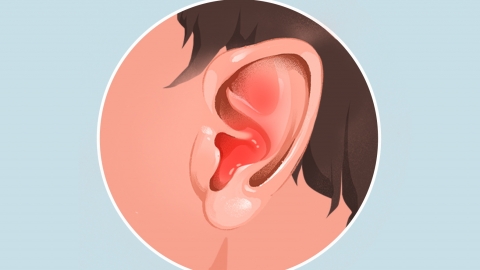
The development of postauricular mastoid osteophytosis is often associated with chronic inflammatory stimulation, bone repair following trauma, or age-related degenerative skeletal changes. In rare cases, genetic factors may contribute. Most patients are asymptomatic, with only a firm, palpable lump detectable behind the ear and no tenderness upon pressing. If the overgrown bone compresses nearby nerves or blood vessels, symptoms such as dull pain behind the ear, referred head pain, or localized skin numbness may occur.
Asymptomatic cases typically require no treatment—regular observation is sufficient. When symptoms are bothersome or cosmetic concerns arise, medications can be used to relieve pain, and surgical removal of the excess bone may be considered if necessary. Treatment decisions should be based on symptom severity and individual patient needs to avoid unnecessary interventions.
In daily life, avoid repeatedly pressing or irritating the bony area behind the ear. Maintain cleanliness of the local skin to prevent infection, and protect the area from trauma such as impacts to reduce the risk of inflammation. For discomfort or pain, warm compresses may help alleviate symptoms, and maintaining regular sleep patterns supports stable metabolic function and overall health.


