


What are the health risks associated with large, thick earlobes?

Health concerns associated with large and thick earlobes include an increased risk of cardiovascular disease, poor local blood circulation, a higher incidence of sebaceous cysts, susceptibility to ear infections, and accumulation of metabolic waste. It is important to pay attention to these warning signs and take appropriate daily preventive measures. If symptoms such as chest tightness, dizziness, redness, swelling, pain, or lumps in the earlobe occur, prompt medical consultation is recommended.
1. Increased risk of cardiovascular disease: Research indicates a correlation between thick earlobes and conditions such as hypertension and coronary heart disease, possibly due to abnormal fat distribution throughout the body or changes in blood vessel elasticity. Regular monitoring of cardiovascular indicators such as blood pressure and lipid levels is advised.
2. Poor local blood circulation: The earlobe contains abundant fatty tissue and naturally has slower blood flow, which may lead to inadequate nutrient supply. This can result in symptoms such as cold ears or reduced tactile sensitivity.
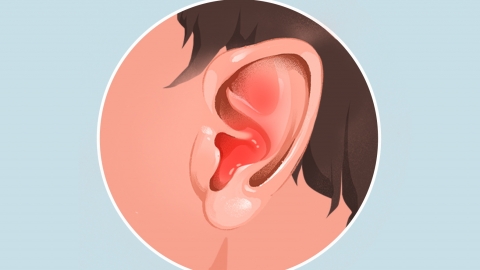
3. High incidence of sebaceous cysts: Earlobes have active sebaceous glands. Inadequate cleaning can cause secretions to block gland ducts, leading to local redness, swelling, and hard nodules. In severe cases, pain and pus formation may occur.
4. Susceptibility to ear infections: Thick earlobes are prone to friction from earrings and prolonged exposure to sweat, which can damage the local skin barrier and increase the risk of bacterial infection. This may result in inflammation around the ear canal or earlobe infection.
5. Accumulation of metabolic waste: Poor circulation hinders the efficient removal of metabolic byproducts, increasing the burden on local tissues and indirectly affecting the health of the earlobe and surrounding areas.
Daily care should include gentle cleansing of the earlobes with warm water and thorough drying afterward. Choose safe, smooth-edged earrings and avoid wearing them for extended periods. Reduce dietary intake of high-fat and high-salt foods, and engage in moderate physical activity to improve overall circulation and reduce the likelihood of related health issues.


