


What are the harms of rhinovirus?

Rhinovirus infections can cause various health issues, including upper respiratory tract infections, triggering lower respiratory diseases, exacerbating pre-existing respiratory conditions, causing systemic discomfort, and spreading easily to others, affecting the health of different population groups. If persistent high fever, difficulty breathing, or worsening symptoms occur after infection, prompt medical attention is recommended.
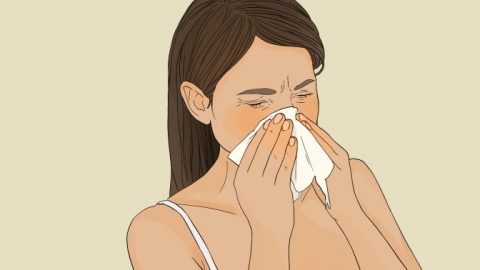
1. Causing upper respiratory tract infections: Rhinoviruses primarily invade the mucous membranes of the nose, throat, and pharynx, leading to symptoms such as nasal congestion, runny nose, sore throat, dryness, and sneezing. These symptoms impair breathing and swallowing, reduce quality of life, and typically last 1–2 weeks.
2. Triggering lower respiratory tract diseases: In children, elderly individuals, or those with weakened immune systems, rhinovirus infection may spread downward and trigger bronchitis, pneumonia, and other serious conditions, resulting in coughing with sputum, chest tightness, and shortness of breath.
3. Worsening underlying respiratory conditions: Patients with asthma or chronic obstructive pulmonary disease (COPD) are prone to acute exacerbations following infection, experiencing increased wheezing and breathing difficulties, which adds physical strain and complicates treatment.
4. Causing systemic discomfort: Besides local respiratory symptoms, rhinovirus may also lead to systemic manifestations such as fever, headache, fatigue, and muscle aches, interfering with normal work, study, and rest.
5. Spreading infection to others: Rhinoviruses spread via respiratory droplets and contact. They are highly contagious and can rapidly circulate in crowded settings like homes, schools, and workplaces, potentially causing outbreaks.
Treatment focuses on symptomatic and supportive care. Mild antipyretic and analgesic medications may be used for fever and sore throat; nasal saline irrigation can help relieve nasal congestion and runny nose. Supportive measures include drinking plenty of fluids, adequate rest, a light diet, maintaining indoor ventilation, and frequent handwashing to prevent cross-infection. Most patients recover spontaneously.


