


How to quickly relieve deep pain in the throat and ears

Deep pain in the throat and ears may be caused by excessive voice use, environmental irritants, acute pharyngitis, otitis media, tonsillitis, etc. Symptoms can be improved through vocal rest, avoiding irritants, and medication. If pain persists or is accompanied by fever or hearing loss, prompt medical attention is necessary.
1. Excessive voice use: Prolonged loud talking or singing can cause congestion and swelling of the throat's mucous membrane, pulling on nerves connected to the ear and resulting in pain, often accompanied by a dry, scratchy throat. It is recommended to reduce speaking to allow vocal cord rest, drink plenty of warm water, and avoid shouting.
2. Environmental irritation: Long-term exposure to dust,油烟 (cooking fumes), or dry air can irritate the mucous membranes of the throat and ear canal, causing dull or sharp pain, often with a sensation of a foreign body in the throat. It is advised to wear a mask to avoid irritants and use a humidifier to maintain moist indoor air.
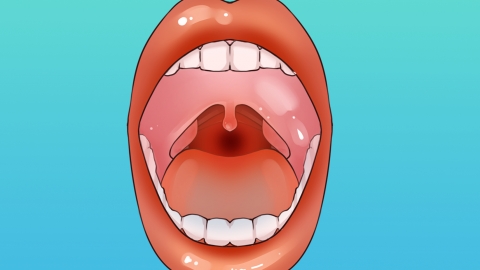
3. Acute pharyngitis: Viral or bacterial infection leads to acute inflammation of the pharyngeal mucosa. The inflammation may spread to the ear, causing deep ear and throat pain, along with redness, swelling, and painful swallowing. Patients may take medications such as amoxicillin capsules, Pudilan anti-inflammatory oral liquid, or watermelon frost lozenges under medical guidance to relieve symptoms.
4. Otitis media: Middle ear infection caused by water entering the ear canal or following a cold can lead to deep ear pain that radiates to the throat, accompanied by ear fullness and muffled hearing. It is recommended to use medications such as cefixime dispersible tablets, ofloxacin ear drops, or Lanqin oral liquid under a doctor’s supervision to alleviate discomfort.
5. Tonsillitis: Infection-induced inflammation of the tonsils causes them to swell and compress surrounding tissues, leading to referred pain in the throat and deep ear, often accompanied by fever and difficulty swallowing. Patients may follow medical advice to use cefuroxime axetil tablets, honeysuckle granules, or compound chlorhexidine mouthwash to improve symptoms.
For daily care, maintain well-ventilated and humid indoor environments, drink plenty of warm water, choose light and easily digestible foods, avoid spicy or hard foods that may cause irritation, maintain regular sleep patterns, exercise moderately, and strengthen the resistance of the throat and ear mucosa.


