What is ethmoid sinusitis, and what symptoms occur after having this condition?
Dec 01, 2025
Source: Cainiu Health

Dr. Lu Cheng
Introduction
The ethmoid sinuses are air-filled cavities located on both sides of the nasal cavity and beneath the eye sockets, forming part of the paranasal sinuses. Ethmoid sinusitis refers to inflammation of the ethmoid sinuses. Symptoms include nasal congestion, runny nose, headache, reduced sense of smell, discomfort in the nasal and facial areas, and eye-related symptoms. It is commonly caused by the spread of infection from the nasal cavity and symptoms may recur or worsen easily. If symptoms persist for more than one week, accompanied by fever and increased purulent nasal discharge, prompt medical attention is recommended.
The ethmoid sinuses are air cavities located on both sides of the nasal cavity and beneath the eye sockets, forming part of the paranasal sinuses. Ethmoid sinusitis refers to inflammation occurring within these sinuses. Symptoms of ethmoid sinusitis include nasal congestion and discharge, headache, reduced sense of smell, discomfort in the nose and face, and eye-related symptoms. It is commonly caused by the spread of infection from the nasal cavity, and symptoms often recur or worsen over time. If symptoms persist for more than a week, especially accompanied by fever and increased purulent nasal discharge, prompt medical attention is recommended.
1. Nasal congestion and discharge: Blockage in one or both nasal passages leads to impaired breathing, along with abundant thick, purulent mucus that is difficult to expel. In some patients, nasal discharge flows backward into the throat, causing a sensation of a foreign body in the pharynx or leading to coughing with sputum.
2. Headache: Aching or pressure pain occurs in the forehead, root of the nose, or around the eye sockets. Pain significantly worsens when bending forward, leaning down, or upon waking in the morning. The severity of pain fluctuates with the degree of inflammation and may interfere with daily activities.
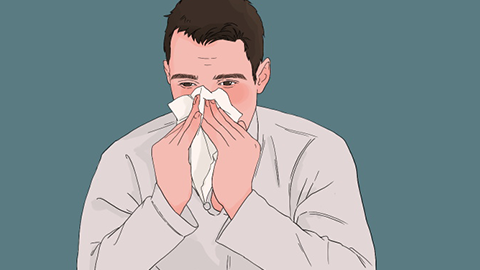
3. Reduced sense of smell: Inflammation or blockage affecting the olfactory area at the top of the nasal cavity reduces sensitivity to odors, impairing the ability to detect scents. In severe cases, temporary or persistent loss of smell may occur.
4. Nasal and facial discomfort: Aching or fullness is felt at the root of the nose or below the inner corner of the eyes, with tenderness upon pressing. Some patients may experience mild facial numbness or a heavy sensation, reducing overall facial comfort.
5. Eye symptoms: When inflammation spreads to tissues surrounding the eye socket, symptoms such as eye pain, eye pressure, and photophobia may appear. Severe cases may involve blurred vision and eyelid swelling, indicating potential risk of inflammatory spread and requiring immediate attention.
To maintain health, keep the nasal passages clear in daily life. Gently rinse the nasal cavity with saline solution, avoid forceful nose-blowing and picking the nose. Ensure regular indoor ventilation and proper humidity. Maintain a light diet, avoiding spicy and irritating foods. Follow a regular sleep schedule and engage in moderate exercise to strengthen the resistance of nasal mucosa.