


What should I do if there is yellow phlegm in my throat?

Yellow phlegm in the throat may be caused by dry air, improper diet, acute bronchitis, sinusitis, pneumonia, or other conditions. Symptoms can be improved through hydration, moisturizing, dietary adjustments, and medication. If yellow phlegm persists for more than one week or is accompanied by fever or difficulty breathing, prompt medical attention is necessary.
1. Dry Air: Insufficient environmental humidity can cause moisture loss from the throat's mucous membranes, leading to thickened, yellowish secretions and symptoms such as dryness and itching in the throat. It is recommended to use a humidifier to increase indoor humidity and drink 1500–2000 mL of water daily to relieve mucosal dryness.
2. Improper Diet: Long-term consumption of spicy or greasy foods or excessive alcohol intake can irritate the mucous membranes of the throat and respiratory tract, increasing secretions that become yellow, often accompanied by a burning sensation in the throat. A light diet rich in vegetables and fruits is recommended, while spicy, greasy foods and alcohol should be avoided.
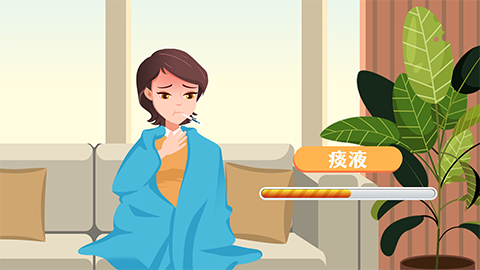
3. Acute Bronchitis: Inflammation of the bronchi caused by bacterial or viral infection leads to excessive production of yellow, purulent phlegm, along with coughing and chest tightness. Under a doctor’s guidance, patients may take medications such as amoxicillin capsules, ambroxol hydrochloride oral solution, or Ji Zhi syrup to alleviate symptoms.
4. Sinusitis: Inflammation of the nasal sinus mucosa causes purulent secretions to flow backward into the throat, resulting in yellow phlegm, accompanied by nasal congestion, headache, and reduced sense of smell. Under medical guidance, treatment options may include cefixime dispersible tablets, Biyuan Tongqiao granules, or physiological seawater nasal sprays to relieve discomfort.
5. Pneumonia: Lung inflammation caused by pathogenic infection produces large amounts of yellow purulent phlegm, which is expelled through the respiratory tract, accompanied by fever, cough, and chest pain. As directed by a physician, medications such as levofloxacin capsules, cefuroxime axetil tablets, or acetylcysteine effervescent tablets may be used to improve symptoms.
Daily care includes maintaining indoor ventilation, increasing fluid intake appropriately, choosing light and easily digestible foods, avoiding smoking and exposure to dust,油烟 (cooking fumes), and other irritants, maintaining regular sleep patterns, engaging in moderate exercise, and enhancing resistance of the respiratory system.


