


What does it mean when a child has lumps on his testicles?
Dec 01, 2025
Source: Cainiu Health

Dr. Zhou Xiaofeng
Introduction
Bumps on a child's scrotum may be caused by physiological fat granules, dirt accumulation due to inadequate local hygiene, diaper dermatitis, scrotal eczema, or fungal infection leading to jock itch. If any abnormalities occur, prompt medical consultation is recommended. Physiological fat granules: children have delicate skin, and tiny, soft fat granules may appear in the scrotal area, typically causing no discomfort.
Generally, bumps on a child's scrotum may be caused by physiological fat granules, dirt buildup due to inadequate local hygiene, diaper dermatitis, scrotal eczema, or fungal infection leading to tinea cruris (jock itch). If abnormalities occur, prompt medical consultation is recommended. Detailed analysis is as follows:
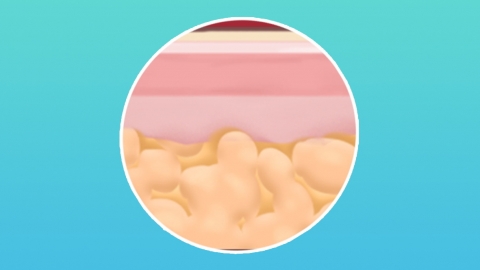
1. Physiological fat granules: Children have delicate skin, and small fatty granules may appear in the scrotal area. These are soft in texture and usually cause no discomfort. No special treatment is required—maintain cleanliness and dryness of the scrotal area daily, and the granules typically resolve spontaneously with age.
2. Dirt buildup due to inadequate local cleaning: If urine residue is not thoroughly cleaned after urination, it can mix with sebum and accumulate into small bump-like deposits. Clean the scrotal area gently with warm water after each urination, pat dry carefully, and choose breathable, loose-fitting clothing to prevent accumulation of debris.
3. Diaper dermatitis: Prolonged diaper use exposes the scrotal skin to urine and feces, which can irritate the skin and trigger inflammation, resulting in red bumps accompanied by redness and itching. After medical evaluation, topical treatments such as zinc oxide ointment, tannic acid ointment, or calamine lotion may be used to relieve inflammation. Frequent diaper changes and keeping the area dry are essential.
4. Scrotal eczema: Factors such as damp environments or allergies may lead to scrotal eczema, characterized by clusters of small bumps along with itching, dryness, and flaking skin. After diagnosis by a physician, topical medications such as hydrocortisone butyrate cream, desonide cream, or anti-dampness and itch-relieving ointment can be applied to control symptoms. Avoid exposure to known allergens.
5. Fungal infection causing tinea cruris: Fungal invasion of the scrotum and surrounding skin can produce ring-shaped red rashes with small bumps at the edges, accompanied by itching. Antifungal treatment under medical guidance includes topical applications such as ketoconazole cream, miconazole cream, or terbinafine cream. Wash and disinfect clothing separately to prevent cross-infection.
In daily life, dress children in cotton, breathable clothing and avoid tight garments. Use lukewarm water during bathing and avoid excessive scrubbing. Seek timely medical attention if the number of bumps increases, lesions break open, or the child shows signs of distress or discomfort. Always follow medical advice strictly during treatment.



