


Why does the skin become itchy when subjected to vibration, and what should be done about it?

Generally, skin may feel itchy when subjected to vibration, which could be caused by dry and sensitive skin, sensitive nerve endings, cholinergic urticaria, dermographism, eczema, or other conditions. Patients can choose appropriate management approaches such as general care or medication based on their specific condition. A detailed analysis is as follows:
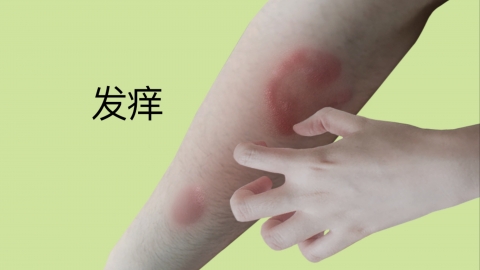
1. Dry and Sensitive Skin
Damaged skin barrier leads to excessive moisture loss, making the skin prone to itching upon vibrational stimulation due to heightened nerve ending responses. Use a gentle moisturizing lotion to hydrate the skin, bathe with lukewarm water and non-irritating cleansers, and wear cotton clothing to minimize friction.
2. Sensitive Nerve Endings
Dense distribution or high excitability of local nerve endings may lead to abnormal signal transmission after vibrational stimulation, resulting in itching. Avoid prolonged exposure to vibration sources. Gentle skin massage may help, along with maintaining regular sleep patterns to reduce nervous system tension.
3. Cholinergic Urticaria
Vibration can raise local skin temperature, stimulating cholinergic nerves to release histamine and trigger an allergic reaction that causes itching. Under medical guidance, patients may take antihistamines such as cetirizine hydrochloride tablets, ebastine tablets, or loratadine syrup, and avoid intense vibrations.
4. Dermographism (Skin Writing)
The skin is highly sensitive to external stimuli; mechanical effects from vibration can prompt mast cells to release histamine, leading to itching. As prescribed, apply topical treatments like calamine lotion or tacrolimus ointment, take oral fexofenadine hydrochloride tablets, and minimize skin irritation.
5. Eczema
Eczema damages the skin barrier, and vibrational stimulation may exacerbate inflammatory responses, triggering or worsening itching. Under medical supervision, use topical corticosteroids such as mometasone furoate cream, hydrocortisone butyrate cream, or desonide cream, and maintain well-moisturized and clean skin.
In daily life, proper skin hydration and care are essential—choose mild skincare products, actively avoid known vibration triggers, and reduce skin irritation. Maintain a light, non-spicy diet and regular作息 to strengthen skin resistance. If itching persists or worsens, seek timely medical evaluation for targeted treatment.


