


What should I do if it hurts a lot after applying nail tips?

Generally, pain after applying nail extensions may be caused by factors such as overly tight fit compressing the nail, irritation of the surrounding skin from adhesive, infected hangnails, paronychia, or nail bed injury. It is recommended to seek medical attention promptly, identify the underlying cause, and then improve symptoms under a doctor's guidance through general care, medication, or other treatments. Specific analyses are as follows:
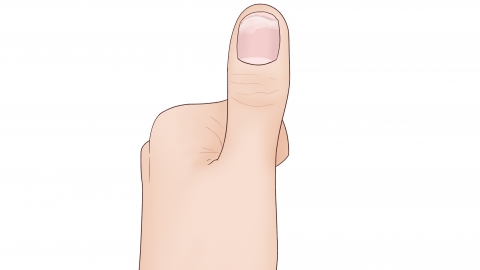
1. Overly tight nail extension pressing on the nail: Pain occurs when the nail extension is trimmed too small or applied too tightly against the nail plate, impairing blood circulation. Immediately remove the extension and soak the finger in warm water (around 40°C) for 10 minutes to promote circulation. In the future, choose extensions approximately 0.5 mm larger than your natural nail and leave a 1 mm gap at the front edge during application.
2. Irritation of perionychial skin from glue: Nail adhesives often contain irritating chemicals that can cause stinging and redness when they contact the delicate skin around the nail. Gently wipe off residual glue with a mild nail polish remover, clean the area with normal saline, apply fragrance-free hand cream to moisturize, and switch to gentler, plant-based nail adhesives in the future.
3. Infected damaged hangnail: If a hangnail near the nail was not properly treated before applying the extension, friction afterward may cause it to tear and become infected, leading to pain. Remove the extension, disinfect the wound with iodophor, and follow medical advice to apply topical antibiotics such as mupirocin ointment, fusidic acid cream, or compound polymyxin B ointment.
4. Paronychia (nail fold infection): Pressure from the edge of the extension or adhesive seeping into the nail fold can trigger inflammation, causing redness, swelling, and pain; pus may develop in severe cases. Remove the extension immediately. Follow medical instructions to use medications such as ichthammol ointment, erythromycin ointment, or cefaclor capsules. If an abscess has formed, surgical incision and drainage of the nail fold may be required to relieve pressure by removing pus.
5. Nail bed injury: Excessive filing before application or excessive pressure during attachment may damage the nail bed, resulting in sharp pain. Stop using nail extensions to allow the nail to recover naturally. Under medical guidance, apply recombinant human epidermal growth factor gel, vitamin E cream, or take multivitamin supplements. Avoid trauma or pressure on the nails in daily life.
Allow at least one week between applications of nail extensions to give nails sufficient time to "breathe." Avoid using nails to peel or pry objects during wear to minimize external damage. Increase dietary intake of protein-rich foods to support healthy nail growth and reduce the likelihood of discomfort after applying nail extensions.


