


What causes circular peeling of the skin on the soles of the feet, and what should be done about it?
Dec 01, 2025
Source: Cainiu Health

Dr. Liu Wenmin
Introduction
Peeling of the skin on the soles in circular patterns may be caused by dryness and dehydration, friction or irritation, athlete's foot (tinea pedis), dyshidrotic eczema, or keratolysis exfoliativa. Management can include daily skincare routines or medical treatments depending on the specific cause. It is important to develop the habit of applying moisturizer after soaking the feet to maintain hydration. Choose well-fitting shoes and socks to minimize friction and irritation.
Peeling in circular patterns on the soles of the feet may be caused by dry or dehydrated skin, friction irritation, athlete's foot (tinea pedis), dyshidrotic eczema, or exfoliative keratolysis. Depending on the specific situation, improvements can be made through daily care, medication, or other treatments. Detailed analysis is as follows:
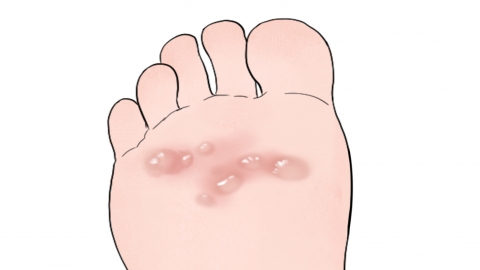
1. Dry and dehydrated skin
In autumn and winter, the air is dry and sebaceous glands on the soles produce less oil. The stratum corneum becomes dehydrated and loses elasticity, leading to ring-shaped peeling. Soak feet in warm water for 10 minutes daily, then thoroughly dry and apply a moisturizing cream containing urea. Wear cotton socks to reduce moisture loss.
2. Friction irritation
Wearing hard-soled shoes for long periods or excessive walking causes repeated friction on localized areas of the sole, resulting in thickened and eventually shed stratum corneum that forms ring-like patterns. Switch to soft, breathable footwear, use cushioned insoles, reduce walking duration, and avoid excessive pressure on the soles.
3. Athlete’s foot (tinea pedis)
Fungal infection damages the stratum corneum of the sole, causing circular patches of peeling skin, often accompanied by itching. Under medical guidance, apply topical antifungals such as terbinafine hydrochloride cream, bifonazole solution, or miconazole nitrate powder. Keep feet dry to prevent worsening.
4. Dyshidrotic eczema
Excessive sweating of hands and feet or contact with irritants triggers an eczema-like skin reaction; after small blisters dry up, circular peeling occurs. Follow medical advice to apply triamcinolone acetonide-econazole cream or tacrolimus ointment topically, take oral loratadine tablets, and avoid contact with irritants such as soap.
5. Exfoliative keratolysis
Genetic or environmental factors cause abnormal shedding of the stratum corneum, presenting as ring-shaped flaking on the soles without significant itching. Under medical supervision, apply topical tretinoin cream or urea ointment, take vitamin A soft capsules orally, and avoid peeling or tearing off loose skin manually.
Routinely develop the habit of applying moisturizer after soaking feet to maintain hydration; choose well-fitting shoes and socks to minimize friction; wash socks separately and sun-dry them to prevent cross-infection. If peeling persists or is accompanied by itching, seek medical attention promptly to determine the underlying cause.







