


What causes darkening between the corners of the eyes and the bridge of the nose?

Generally, darkening between the corner of the eye and the bridge of the nose may be caused by factors such as lack of sleep, local pigmentation, allergic dermatitis, seborrheic dermatitis, or dacryocystitis. If discomfort occurs, it is recommended to seek timely medical evaluation and treatment at a qualified hospital. Specific causes are analyzed as follows:
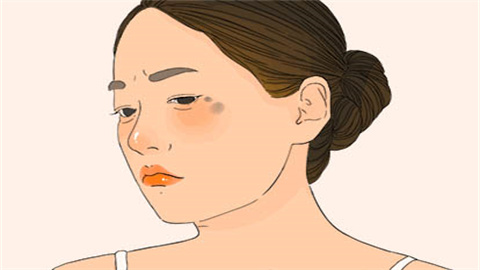
1. Lack of Sleep
Chronic late-night habits or poor sleep quality can slow blood circulation around the eyes, leading to blood stagnation and darkening. Maintain regular sleep patterns with 7–8 hours of sleep per night. Apply a warm towel compress to the eyes for 10 minutes before bedtime and gently massage the eye area to promote circulation.
2. Local Pigmentation
Sun exposure or friction may stimulate melanocytes, causing increased melanin production and deposition. Practice daily sun protection by applying sunscreen and wearing a sun hat when outdoors. Minimize local friction and use skincare products containing vitamin C to brighten the skin.
3. Allergic Dermatitis
Inflammation triggered by allergens such as pollen or cosmetics can leave post-inflammatory pigmentation. Avoid known allergens and, under medical guidance, take antihistamines such as cetirizine hydrochloride tablets, loratadine capsules, or ebastine tablets. Keep the affected skin clean and dry.
4. Seborrheic Dermatitis
Excessive sebum production can clog pores, causing inflammation that leads to redness and darkening of the skin, often accompanied by oily scales. Under a doctor’s supervision, topical treatments such as ketoconazole cream, tacrolimus ointment, or miconazole and clobetasol cream may be used. Adopt a light diet and reduce intake of fatty foods.
5. Dacryocystitis
Bacterial infection due to blocked tear ducts causes inflammation, resulting in redness, swelling, and darkening around the eye, along with excessive tearing and discharge. As directed by a physician, use ofloxacin eye drops, tobramycin eye drops, or erythromycin eye ointment may help. In severe cases, a tear duct probing procedure may be required.
In daily life, ensure adequate sleep and avoid staying up late; protect the eye area from sun exposure and maintain cleanliness using gentle skincare products; maintain a balanced diet rich in fruits and vegetables; and seek prompt medical attention for any eye discomfort—avoid self-medicating to prevent delays in proper diagnosis and treatment.


