


What should be done if there is a rotting hole on an elderly person's body?

Generally, an ulcerative lesion on an elderly person's body may result from prolonged bed rest with pressure, inadequate skin hygiene, pressure ulcers, diabetic foot, or cellulitis. Depending on the specific condition, patients can choose appropriate interventions such as routine care, medication, or surgical treatment. A detailed analysis is as follows:
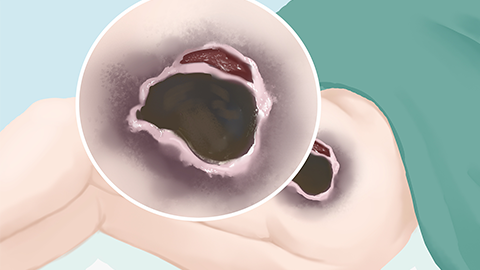
1. Prolonged Bed Rest with Pressure
Elderly individuals often have limited mobility, leading to prolonged pressure on certain body areas, impaired blood circulation, tissue hypoxia, and eventually tissue necrosis and ulceration. It is recommended to turn the patient every two hours, use anti-pressure sore air mattresses, and keep pressure-prone skin areas dry.
2. Inadequate Skin Hygiene
Prolonged exposure to sweat and bodily secretions can damage the skin barrier, promote bacterial growth, and lead to skin breakdown and ulceration. Clean the skin daily with lukewarm water, apply moisturizer to skin folds, and promptly change soiled clothing and bed linens.
3. Pressure Ulcers
Sustained pressure reduces blood supply to the skin and underlying tissues, causing ischemic necrosis and chronic, hard-to-heal ulcers, often accompanied by exudate and odor. As directed by a physician, disinfect the area with povidone-iodine solution, apply silver sulfadiazine cream topically, take amoxicillin capsules orally, and enhance nutrition with increased protein intake.
4. Diabetic Foot
Poor blood glucose control leads to lower limb vascular disease, resulting in ischemia and infection of the feet, which may progress to ulceration. Under medical guidance, manage blood sugar with insulin injections, apply recombinant human epidermal growth factor gel locally, take cefaclor sustained-release tablets orally, and perform debridement surgery for foot ulcers if the condition is severe.
5. Cellulitis
Bacterial infection of subcutaneous tissue causes acute inflammation, characterized by local redness, swelling, and ulceration. Follow medical advice to receive intravenous ceftriaxone sodium injections, apply mupirocin ointment externally, take levofloxacin tablets orally, and undergo incision and drainage if an abscess develops.
Caring for elderly individuals requires close attention to skin health. Frequent repositioning and rigorous hygiene are key preventive measures. Strict control of blood glucose levels is essential, and any skin abnormalities should be addressed promptly. Provide adequate nutritional support to promote healing and help protect elderly individuals from the distress of skin ulcers.


