


Why does eating pineapple cause blisters on the lips, and what should be done?

Generally, lip blisters after eating pineapple may be caused by bromelain irritation, fruit acid stimulation, oral herpes simplex, contact dermatitis, or recurrent aphthous ulcers. Patients can choose appropriate methods such as general care or medication based on their specific condition. Detailed analysis is as follows:
1. Bromelain Irritation
Bromelain in pineapple breaks down proteins in the lip mucosa, damaging the mucosal barrier and leading to congestion and blistering. Immediately stop consuming pineapple, rinse mouth with warm water, apply a non-irritating lip balm, and avoid licking the lips.
2. Fruit Acid Stimulation
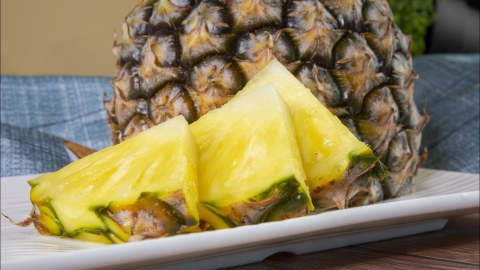
The organic acids in pineapple directly irritate the delicate lip mucosa, triggering an inflammatory response that causes redness, swelling, and blistering. Soak pineapple chunks in salted water for 30 minutes before consumption to reduce acid content. After blistering occurs, avoid spicy and irritating foods.
3. Oral Herpes Simplex
Pineapple irritation may activate latent herpes simplex virus, causing viral invasion of the lip mucosa, resulting in clusters of small fluid-filled blisters accompanied by pain. Under medical guidance, topical treatments such as acyclovir cream or penciclovir gel can be used, along with oral famciclovir tablets, while maintaining good oral hygiene.
4. Contact Dermatitis
Allergic reaction to plant proteins in pineapple can lead to lip swelling, blisters, and itching upon contact. Follow medical advice to take antihistamines such as loratadine tablets, cetirizine hydrochloride drops, or ebastine tablets. Avoid consuming pineapple and similar fruits in the future.
5. Recurrent Aphthous Ulcers
Irritation from pineapple may trigger oral ulcers, which initially present as submucosal blisters that later rupture and form ulcers. Under medical supervision, use medications such as watermelon frost spray, kangfuxin liquid, or compound chlorhexidine mouthwash. Maintain a diet consisting mainly of lukewarm, soft, and finely textured foods.
Pre-treat pineapple before consumption to reduce irritants; keep lips moisturized to prevent dryness and mucosal damage; maintain good oral hygiene to minimize bacterial growth. If blisters persist or recur frequently, seek timely medical evaluation to determine the underlying cause.


