


Why does the skin itch and develop red spots after being exposed to heat from a fire?

Generally, itchy skin with red spots after sitting by a fire may be caused by factors such as skin vasodilation due to heat exposure, skin dehydration from heating, cholinergic urticaria, contact dermatitis, or eczema. It is recommended to seek medical attention promptly, identify the underlying cause, and receive appropriate treatment under a doctor's guidance. Specific explanations are as follows:
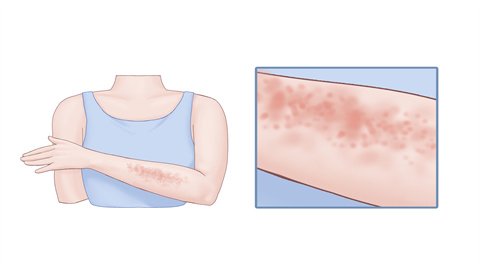
1. Skin vasodilation due to heat: When exposed to fire, the skin temperature rises rapidly, causing subcutaneous capillaries to dilate quickly, stimulating surrounding nerve endings and resulting in itching. Red spots appear due to vascular congestion. Immediately move away from the heat source and apply a cool, damp towel gently to reduce skin temperature. Avoid scratching to prevent skin damage, and refrain from further exposure to high temperatures in the short term.
2. Skin dehydration from heating: High temperatures accelerate evaporation of moisture from the skin surface, leading to dryness and damage of the stratum corneum and impaired barrier function, which causes discomfort. Use a humidifier near the heating area to maintain indoor humidity between 40% and 60%. After heating, apply a gentle moisturizing lotion promptly. Maintain a daily water intake of at least 1500 mL.
3. Cholinergic urticaria: Heat exposure triggers mast cells in the skin to release histamine, causing an allergic reaction characterized by scattered red spots and significant itching, with symptoms worsening upon further heat exposure. Follow medical advice to take antihistamines such as cetirizine hydrochloride tablets, fexofenadine hydrochloride tablets, or loratadine capsules. Avoid prolonged, close exposure to fire.
4. Contact dermatitis: During heating, the skin may come into contact with materials from heating devices or fuel residues, triggering an allergic reaction. Red spots typically appear primarily at the site of contact. Immediately discontinue use of any suspected heating device, clean the skin with water, and follow medical advice to use calamine lotion, hydrocortisone butyrate cream, or desonide cream.
5. Eczema: Individuals with pre-existing eczema may experience aggravated skin inflammation due to high temperatures from heating, leading to intensified redness, itching, and possibly oozing or flaking. Follow medical advice to apply topical treatments such as tacrolimus ointment, pimecrolimus cream, or mometasone furoate cream. Ensure skin remains breathable during heating and avoid wearing thick, tight clothing.
During daily use of fire for warmth, maintain a distance of at least 30 cm from the heat source to avoid direct skin exposure. Limit each heating session to no more than 30 minutes. Wear loose, breathable cotton clothing to minimize friction between the skin and rough materials. In terms of diet, reduce consumption of spicy and irritating foods, and increase intake of fresh fruits and vegetables to support healthy skin.


