


What to do about dryness and tightness around the mouth

Dryness and tightness around the mouth are usually caused by factors such as dry environment, insufficient water intake, exfoliative cheilitis, angular cheilitis, or contact dermatitis. It is recommended to seek medical advice promptly, identify the underlying cause, and improve symptoms under a doctor's guidance through general care, medication, and other treatments. Specific analyses are as follows:
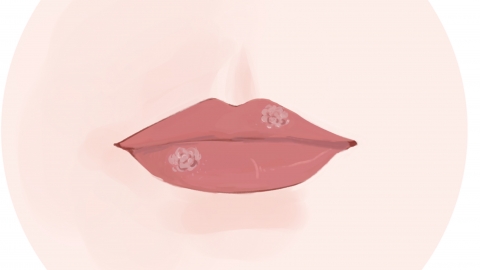
1. Dry environment: In low-humidity air, the skin around the mouth easily loses moisture, leading to dryness and tightness—especially noticeable during autumn and winter. Use a humidifier indoors to maintain humidity between 40% and 60%, wear a mask when going outside to reduce moisture evaporation, and apply a simple-ingredient petroleum jelly lip balm daily to lock in moisture.
2. Insufficient water intake: Dehydration reduces moisture levels in the skin and mucous membranes, with the area around the mouth often being the first to show discomfort. Aim to drink 1,500–2,000 mL of water daily, in small amounts throughout the day, avoiding large volumes at once. Also, limit intake of diuretic beverages such as coffee and alcohol.
3. Exfoliative cheilitis: Often related to lip-licking, sun exposure, or contact with irritants, this condition presents with dry, flaky skin around the lips that may extend to the surrounding skin. Avoid habits like lip-licking or peeling off flakes. Follow medical advice to use medications such as erythromycin ointment, tacrolimus ointment, or pimecrolimus cream, and protect the lips from sun exposure when outdoors.
4. Angular cheilitis: Commonly triggered by bacterial infection or vitamin B2 deficiency, characterized by redness, dryness, and even cracking at the corners of the mouth. Increase intake of vitamin B2-rich foods such as eggs and spinach. Use medications like clotrimazole cream, metronidazole gel, or chlortetracycline hydrochloride ointment as directed by a doctor, and clean the mouth corners promptly after eating.
5. Contact dermatitis: Caused by exposure to allergens or irritants such as lipstick or toothpaste, resulting in dryness, itching, and redness around the lips. Immediately discontinue use of suspected products. Apply medications such as butyrate hydrocortisone cream, desonide cream, or mometasone furoate cream as prescribed, and switch to a gentle, fluoride-free toothpaste.
In daily life, avoid spicy or excessively hot foods to minimize irritation to the skin around the lips. Thoroughly cleanse the lips after wearing makeup to prevent residue buildup. Maintaining consistent, proper skincare habits can effectively prevent dryness and tightness around the mouth.


