


What causes darkening under the eyes?

Generally, darkening of the tear trough may be caused by lack of sleep, eye strain, periorbital dermatitis, chronic conjunctivitis, dacryocystitis, and other reasons. It is recommended to seek medical attention promptly, identify the underlying cause, and receive appropriate treatment under a doctor's guidance. Specific analysis is as follows:
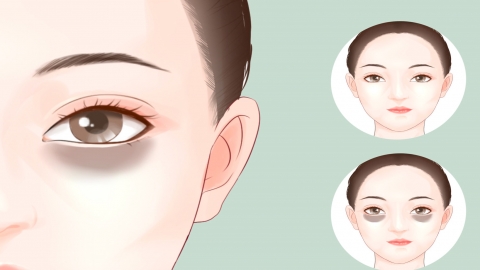
1. Lack of sleep: Long-term熬夜 or poor sleep quality can slow blood circulation around the eyes, leading to blood stagnation and dark discoloration. Maintain a regular sleep schedule, ensure 7–8 hours of sleep daily, avoid using electronic devices before bedtime, and improve sleep quality through methods such as soaking feet in warm water or drinking warm milk.
2. Eye strain: Prolonged use of electronic screens such as mobile phones and computers can cause tension in the muscles around the eyes, affecting local circulation. Rest for 5–10 minutes every 40 minutes of screen use, look into the distance to relax the eyes, and apply a warm towel compress to the eye area 1–2 times daily for about 10 minutes each time.
3. Periorbital dermatitis: Often related to allergies or irritants, this condition causes inflammatory reactions in the skin around the eyes, resulting in darkening and itching. Patients may use medications such as hydrocortisone butyrate cream, tacrolimus ointment, or pimecrolimus cream as directed by a physician, while avoiding allergens like pollen and cosmetics.
4. Chronic conjunctivitis: Frequently triggered by bacterial or viral infections or environmental irritants, recurrent inflammation can lead to pigmentation around the eyes. Patients should use prescribed eye drops such as levofloxacin, tobramycin, or chloramphenicol, maintain good eye hygiene, and avoid rubbing the eyes.
5. Dacryocystitis: Often results from secondary infection due to blocked tear ducts; inflammatory stimulation can darken the skin in the tear trough area, accompanied by symptoms such as excessive tearing and pus discharge. Initially, patients may take oral antibiotics such as cefixime capsules, amoxicillin capsules, or roxithromycin dispersible tablets as prescribed. If drug treatment fails, procedures such as lacrimal duct probing (using a probe to clear the blockage) or dacryocystorhinostomy (creating a new tear drainage pathway between the lacrimal sac and nasal cavity) may be performed.
In daily life, proper eye care is important. Use sun protection when outdoors to prevent UV exposure from worsening pigmentation. Diet-wise, increase intake of vitamin C-rich foods such as oranges and kiwifruit to help improve skin condition.


