


Why does the area remain raised after a herpes scab has fallen off?

Generally, after a herpes sore has crusted over and fallen off, the area may still appear raised due to reasons such as granulation tissue proliferation, unresolved local inflammation, residual herpes simplex virus, localized skin infection, or keloid formation. It is advisable to seek medical attention promptly, identify the underlying cause, and receive appropriate treatment under a doctor's guidance. The specific causes are analyzed as follows:
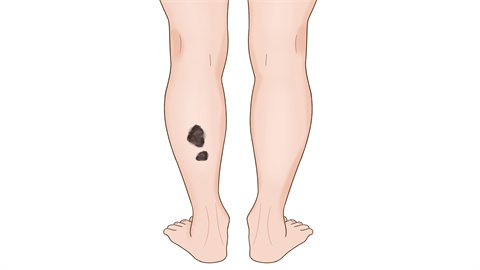
1. Granulation tissue proliferation: During the healing process of herpes, granulation tissue forms locally to repair the wound. This newly formed tissue tends to be plump and may appear raised. Keep the area clean and dry, avoid scratching or irritation, apply silicone gel to promote softening of the tissue, maintain a light diet, and reduce intake of spicy foods.
2. Unresolved local inflammation: When the scab falls off, underlying inflammation beneath the skin may not have completely subsided. Inflammatory factors can cause local swelling and elevation. Gently apply warm compresses using a warm towel for 10–15 minutes at a time to promote absorption of inflammation. Avoid friction on the affected area and wear loose, breathable clothing to minimize irritation.
3. Residual herpes simplex virus: If the herpes virus has not been completely eliminated, it may remain dormant in the skin’s nerve ganglia and repeatedly stimulate local tissues, causing the area to become raised, possibly accompanied by mild itching. Follow your doctor’s instructions to use antiviral medications such as acyclovir cream, valacyclovir tablets, or famciclovir capsules, and take medication regularly to suppress viral replication.
4. Localized skin infection: After the scab detaches, the skin barrier remains fragile, making it susceptible to bacterial invasion, which can lead to infection characterized by swelling, redness, and possibly pain or discharge. Under medical guidance, patients may use topical or oral medications such as mupirocin ointment, fusidic acid cream, or cefuroxime axetil tablets. Keep the affected area clean and avoid contact with contaminated water.
5. Keloid formation: Due to individual predisposition or improper wound care, excessive collagen production during healing may result in keloid formation, presenting as a firm, raised bump. Under a physician’s supervision, treatments such as compound sodium heparin and allantoin gel, silicone gel, or triamcinolone acetonide injections may be used to alleviate symptoms.
In daily life, practice proper sun protection to prevent ultraviolet radiation from worsening local pigmentation. Maintain a regular sleep schedule to boost immune function and reduce the risk of herpes recurrence. If the raised area develops increasing pain or discharge, promptly adjust the treatment plan to ensure optimal skin health.


