


Why does my lips peel when I apply lipstick, but not when I don't?

Generally, peeling lips after applying lipstick, while no issues occur without it, may be caused by irritation from lipstick ingredients, insufficient lip moisture, allergic reactions to lipstick, contact dermatitis, or cheilitis. If discomfort occurs, seek medical advice to determine the exact cause. Specific analyses are as follows:
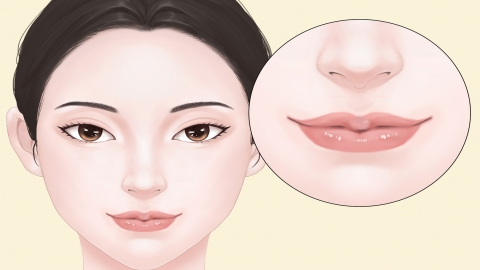
1. Irritation from lipstick ingredients: Some lipsticks contain irritating components such as alcohol and pigments, which accelerate moisture loss in the lips after application, leading to peeling. Choose fragrance-free, alcohol-free moisturizing lipsticks, and apply a lip balm as a base before lipstick to minimize direct contact of these ingredients with the delicate lip skin.
2. Insufficient lip moisture: The lips naturally have few sebaceous glands. Without proper daily moisturization, applying lipstick can worsen dryness and lead to peeling. After cleansing lips with warm water each day, apply a lip balm containing petroleum jelly or ceramides to maintain hydration, and avoid frequently licking the lips.
3. Allergic reaction to lipstick: Allergy to preservatives, dyes, or other components in lipstick may trigger local inflammation after application, accompanied by redness, itching, and peeling. Discontinue use of the offending lipstick immediately. If symptoms are significant, consult a doctor for diagnosis and consider antihistamines such as loratadine tablets, cetirizine hydrochloride tablets, or calamine lotion to relieve the allergic reaction.
4. Contact dermatitis of the lips: Prolonged exposure to irritating substances in lipstick can damage the skin barrier of the lips, causing erythema, flaking, and peeling. Symptoms typically improve after stopping lipstick use. Under medical evaluation, topical treatments such as tacrolimus ointment, pimecrolimus cream, or vitamin E cream may be used to repair the skin. Avoid re-exposure to similar lipstick products.
5. Cheilitis: Individuals with pre-existing cheilitis may experience worsened inflammation due to lipstick irritation, presenting as dryness, cracking, peeling, and possibly pain. A treatment plan should be established by a physician, who may recommend erythromycin ointment, chlortetracycline hydrochloride ointment, or compound chlorhexidine mouthwash to reduce inflammation, along with consistent lip moisturization.
In daily life, avoid frequently switching lipstick brands. Perform a patch test on the inner part of the lip before full use. Seek prompt medical attention if peeling is accompanied by significant pain or fluid discharge.


