


What disease is an early small wart?

Small early-stage warts are commonly seen in conditions such as common warts, flat warts, plantar warts, molluscum contagiosum, and filiform warts. These are all caused by human papillomavirus (HPV) infection or related pathogens, manifesting as benign skin growths. They differ in transmission routes and affected sites. If warts spread, ulcerate, or are accompanied by significant discomfort, prompt medical attention is recommended.
1. Common warts: Frequently occur on areas prone to friction, such as the hands. Initially appear as tiny, rough papules the size of a pinhead, gradually enlarging and hardening. Treatment options include topical applications of tretinoin cream or imiquimod cream, or physical removal methods such as cryotherapy or laser therapy.
2. Flat warts: Commonly affect the face and forearms of adolescents. Lesions are flat, smooth, and light brown in color, often appearing in dense clusters. Treatments frequently include electrosurgery or curettage, combined with topical interferon gel to suppress viral replication and reduce recurrence.
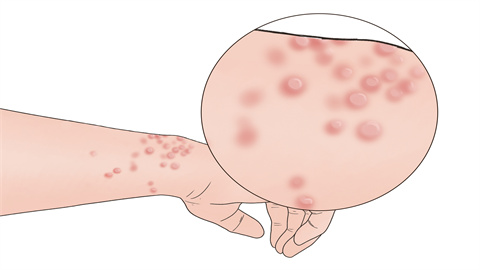
3. Plantar warts: Develop on weight-bearing areas of the sole. Initially present as hardened keratinous papules with a central core, causing pain during walking. Treatment may involve topical salicylic acid preparations to soften and peel off the wart; persistent cases may require laser therapy or cryotherapy to eliminate the lesion.
4. Molluscum contagiosum: Caused by the molluscum contagiosum virus. Lesions are dome-shaped with a waxy sheen and a central dimple. Primary treatment involves curettage, followed by application of antiviral ointment to prevent postoperative infection.
5. Filiform warts: Commonly occur on the neck and eyelids. The warts are slender, soft, thread-like projections, with color close to normal skin tone. Treatment includes direct removal via laser ablation or electrocautery, or topical application of caustic medications to the base of the wart.
Daily precautions include maintaining skin cleanliness and avoiding scratching to prevent autoinoculation. Avoid sharing personal items to reduce transmission risk, wear loose and breathable clothing to minimize friction and irritation, and engage in regular exercise to boost immunity and prevent recurrent outbreaks.


