


What should I do if it feels like both sides of my neck are swollen? What could be the cause?

Swelling on both sides of the neck may be caused by overexertion, local pressure, cervical lymphadenitis, acute pharyngitis, thyroiditis, or other conditions. Symptoms can be improved through rest, avoiding pressure, and medication. If swelling worsens or is accompanied by pain or fever, prompt medical attention is necessary.
1. Overexertion: Prolonged periods of looking down and sustained tension in the neck muscles can lead to muscle spasms and swelling. The area may feel sore when pressed and discomfort may increase with movement. It is recommended to reduce time spent with the head lowered, take regular breaks to move the neck, and apply a warm towel to the swollen area to relieve muscle tension.
2. Local Pressure: Improper sleeping posture or external pressure on the neck can impair local blood circulation, leading to temporary tissue swelling, usually without significant pain. Adjusting sleeping posture to avoid compressing the neck and gently massaging the swollen area can help improve blood flow.
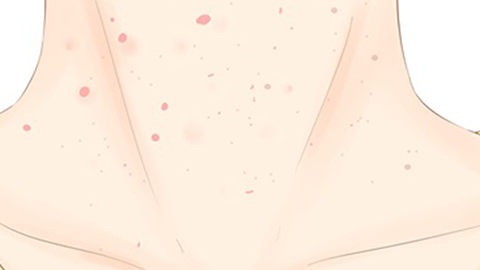
3. Cervical Lymphadenitis: Infection in nearby tissues can trigger inflammation of the lymph nodes, causing them to swell. This results in lumps on both sides of the neck, often accompanied by tenderness upon pressing and fever. Patients may take medications such as cefaclor dispersible tablets, amoxicillin capsules, or Pudilan anti-inflammatory oral liquid under medical guidance to alleviate symptoms.
4. Acute Pharyngitis: Viral or bacterial infections can cause inflammation of the throat, which may spread to neck tissues, resulting in swelling on both sides of the neck along with sore throat and difficulty swallowing. Under medical supervision, medications such as ribavirin granules, cefuroxime axetil tablets, or Lanqin oral liquid may be used to relieve discomfort.
5. Thyroiditis: Autoimmune abnormalities or infections can lead to thyroid inflammation, causing thyroid enlargement and swelling on both sides of the neck, often accompanied by dull neck pain and fatigue. Patients may follow a doctor's instructions to use medications such as ibuprofen sustained-release capsules, levothyroxine sodium tablets, or prednisone tablets to manage symptoms.
To promote recovery, keep the neck relaxed and avoid prolonged periods of looking down. Use a comfortable pillow, maintain proper sleeping posture, eat a light diet avoiding spicy and irritating foods, drink plenty of water to keep the throat moist, and perform moderate neck exercises to support healing.


