


How to treat the persistent sensation of ants crawling on the soles of the feet

Generally, a persistent sensation of ants crawling on the soles of the feet may be caused by ill-fitting shoes or socks, overexertion, peripheral neuritis, lumbar disc herniation, diabetic peripheral neuropathy, or other conditions. It is recommended to seek timely medical evaluation to identify the underlying cause and, under a doctor's guidance, improve symptoms through general measures, medications, or other treatments. Specific causes are analyzed as follows:
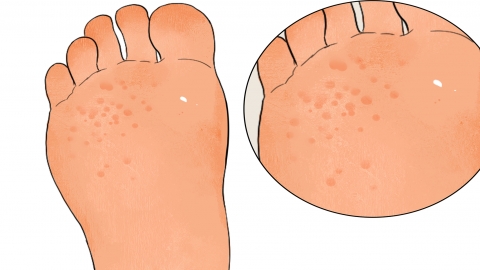
1. Ill-fitting shoes or socks: Rough or tight shoe and sock materials can repeatedly rub or compress the skin on the soles, causing abnormal sensations. Choose pure cotton, breathable socks and wear loose, comfortable athletic or casual shoes. Avoid high heels and synthetic fabrics. Change and wash socks daily, and keep footwear dry and clean.
2. Overexertion: Prolonged standing, walking, or intense physical activity can compress and fatigue the nerves in the feet, leading to a crawling sensation. Reduce time spent standing or walking. After exercise, soak feet in warm water for 15–20 minutes and gently massage the soles to promote blood circulation. Elevate the feet before bedtime to relieve fatigue.
3. Peripheral Neuritis: Inflammation of peripheral nerves caused by nutritional deficiencies or viral infections can lead to abnormal sensations in the feet, often accompanied by numbness. Follow your doctor’s instructions to take medications such as mecobalamin tablets, vitamin B1 tablets, and vitamin B6 tablets. Also increase intake of foods rich in B vitamins, such as lean meat, whole grains, and legumes.
4. Lumbar Disc Herniation: A herniated disc in the lower back can compress the sciatic nerve, causing abnormal nerve signals that radiate to the soles of the feet, resulting in discomfort. Under medical guidance, medications such as celecoxib capsules, eperisone hydrochloride tablets, and mecobalamin capsules may be used. Physical therapies like lumbar traction and acupuncture can also help. Avoid prolonged sitting or standing and maintain proper posture.
5. Diabetic Peripheral Neuropathy: Poor long-term blood glucose control can damage peripheral nerves, leading to reduced or abnormal sensation in the feet, with a pronounced crawling sensation. Strictly follow medical advice to use medications such as epalrestat tablets, mecobalamin injections, and alpha-lipoic acid capsules to manage symptoms.
Maintain a regular lifestyle, avoid staying up late, and eat a balanced diet with reduced intake of high-sugar and high-fat foods. Engage in moderate exercises such as walking or yoga to strengthen the body. If foot discomfort worsens, promptly adjust the treatment plan to preserve foot health.


