


What is a hard thing growing under the foot?

Generally, hard spots on the soles of the feet may result from prolonged friction, excessive pressure, plantar warts, corns, or palmoplantar keratoderma. Depending on the specific situation, improvements can be made through daily care, medication, or surgical treatment. A detailed analysis is as follows:
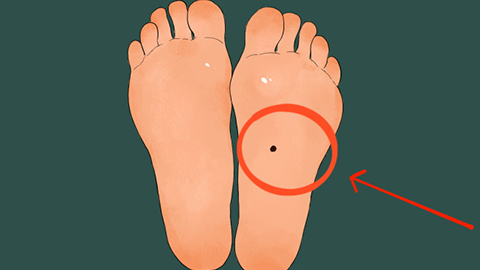
1. Prolonged Friction
Wearing ill-fitting shoes or high heels over a long period causes repeated local friction on the sole, leading to thickening of the stratum corneum and formation of hard calluses. Choose loose, breathable footwear, avoid walking for extended periods, and apply moisturizing cream after soaking feet in warm water each night.
2. Excessive Pressure
Long-term standing or being overweight places continuous pressure on specific areas of the sole, resulting in abnormal thickening of the stratum corneum. Reduce standing time, use insoles with arch support, maintain a healthy weight, and avoid excessive loading on the feet.
3. Plantar Warts
Infection of the sole skin by human papillomavirus (HPV) stimulates abnormal proliferation of epidermal cells, forming hard nodules with rough surfaces and small black dots. Topical treatments such as fluorouracil ointment, imiquimod cream, or recombinant human interferon α2b gel may be used under medical guidance. Keep feet dry and clean.
4. Corns
Long-term compression of foot skin causes the stratum corneum to grow inward into the dermis in a cone shape, causing significant pain when pressed. Follow medical advice to apply topical medications such as salicylic acid-phenol plaster, salicylic acid ointment, or urea ointment. In severe cases, surgical removal may be required; afterward, avoid putting pressure on the affected area.
5. Palmoplantar Keratoderma
Genetic factors or vitamin deficiencies cause thickening of the stratum corneum on palms and soles, resulting in diffuse or localized hard patches on the feet. Under medical supervision, oral supplements such as vitamin A soft capsules or viamine ester capsules may be taken, along with topical tretinoin cream. Avoid contact with irritating substances in daily life.
Maintaining foot health is important. Choose appropriate shoes and socks to prevent prolonged friction and pressure. Do not attempt to trim hard lumps yourself. If pain, enlargement, or other changes occur, seek medical attention promptly for accurate diagnosis, early intervention, and faster recovery.


