


What causes dark purple patches on the inner thigh, and what should be done about it?

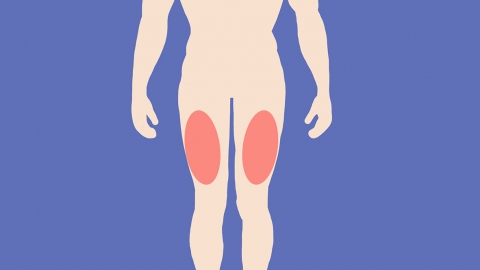
Dark purple patches on the inner thigh may result from local pressure, friction, allergic purpura, stasis dermatitis, or eczema. These can be improved by avoiding pressure, reducing irritation, and using appropriate medications. If the patches spread, increase in number, or are accompanied by pain or ulceration, prompt medical attention is necessary.
1. Local Pressure: Prolonged sitting or standing can impair blood circulation in the legs, leading to blood pooling and the formation of dark purple patches that temporarily fade when pressed. It is recommended to avoid prolonged sitting or standing, move the legs regularly, and apply warm compresses to promote local blood flow.
2. Friction Irritation: Repeated rubbing of the inner thighs or tight clothing can cause rupture of subcutaneous capillaries, resulting in dark purple bruising, possibly accompanied by mild itching. Wear loose, breathable cotton clothing, avoid excessive local friction, and refrain from scratching the affected area.
3. Allergic Purpura: Vascular inflammation triggered by infections, allergies, or other factors can lead to capillary bleeding under the skin, forming dark purple petechiae or purpuric patches, sometimes with mild tenderness. Under medical guidance, patients may use medications such as loratadine syrup, vitamin C tablets, and rutin tablets to alleviate symptoms.
4. Stasis Dermatitis: Impaired venous return in the lower limbs causes blood pooling, leading to skin inflammation characterized by dark purple patches, hyperpigmentation, itching, or scaling. Under a doctor’s supervision, topical desonide cream, micronized purified flavonoid extract (Detralex) tablets, or compound danshen tablets may be used to relieve discomfort.
5. Eczema: Skin inflammation caused by local irritation or allergy, worsened by repeated scratching, can lead to dark purple hyperpigmented patches, significant itching, and skin thickening. As directed by a physician, treatments may include hydrocortisone butyrate cream, cetirizine tablets, or calamine lotion to improve symptoms.
Maintain clean and dry skin on the inner thighs, wear loose and breathable clothing, avoid scratching or rubbing the patches, follow a light diet avoiding spicy and irritating foods, elevate the lower limbs appropriately to enhance venous return, and practice gentle skincare to minimize irritation.


