


What should I do if there is still swelling and pain after removing an ingrown nail in paronychia?

After removing an ingrown nail, if swelling and pain persist due to paronychia, the condition can be managed through local cleaning and disinfection, cold compresses to reduce inflammation, avoiding irritation or pressure, topical anti-inflammatory medications, and elevating the affected limb to reduce swelling. These symptoms often result from local injury or unresolved inflammation. If swelling and pain continue to worsen, or if pus forms or fever develops, prompt medical attention is recommended.
1. Local cleaning and disinfection: Rinse the affected area with normal saline, then gently wipe the nail groove and surrounding skin with iodophor to remove residual debris and bacteria, reducing the risk of infection. Disinfect the area 2–3 times daily to maintain cleanliness.
2. Cold compress to relieve inflammation: Within the first 48 hours, apply a cold pack wrapped in a clean towel to the swollen and painful area for 15–20 minutes, 2–3 times per day, to reduce local congestion, swelling, and pain.
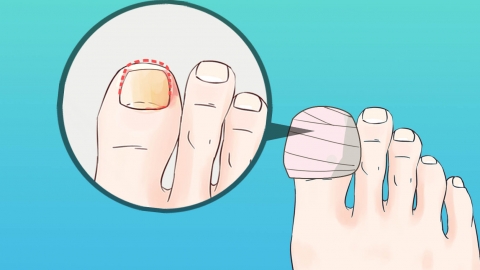
3. Avoid irritation and pressure: Wear loose, breathable footwear to avoid excessive pressure on the affected area. Avoid strenuous physical activity and minimize friction against the nail fold while walking to prevent secondary injury.
4. Topical anti-inflammatory medication: After cleaning and disinfecting, apply prescribed topical anti-inflammatory ointment as directed by a physician to suppress local inflammation and alleviate pain and swelling. Take care to avoid contact with healthy skin.
5. Elevate the affected limb to reduce swelling: When resting, elevate the affected limb above heart level to promote blood return and reduce tissue edema, thereby helping to relieve swelling and discomfort.
Maintain dryness and cleanliness of the affected area in daily life. Avoid getting it wet, refrain from tearing the skin around the nail or over-trimming the nail folds, wear well-fitting shoes, and trim nails appropriately—leaving them slightly longer to prevent recurrence of ingrown nails and subsequent inflammation.


