What is the fungal infection causing dry, flaky skin?
Dec 01, 2025
Source: Cainiu Health

Dr. Liu Wenmin
Introduction
In general, flaky skin rashes are often caused by fungal infections or skin inflammation. Common types include tinea corporis (ringworm of the body), tinea cruris (jock itch), tinea manuum (hand fungus), tinea pedis (athlete's foot), and pityriasis versicolor. Although symptoms may vary, these conditions can all be accompanied by dry, flaking skin and require targeted treatment. It is important to maintain personal hygiene, wash clothes separately, and expose them to sunlight for disinfection. Avoid scratching affected areas to prevent the spread of infection.
Generally, fungal infections or skin inflammation are common causes of dry, flaky skin conditions, including tinea corporis (ringworm of the body), tinea cruris (jock itch), tinea manuum (hand fungus), tinea pedis (athlete's foot), and pityriasis versicolor. Although symptoms vary among these conditions, all may involve dryness and scaling of the skin and require targeted treatment. Detailed analysis is as follows:
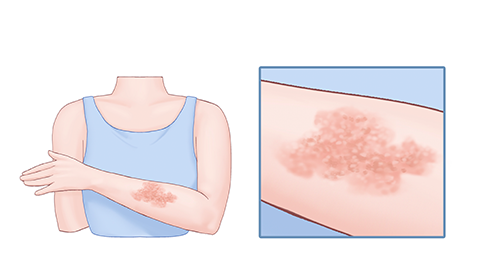
1. Tinea corporis: Infection of the stratum corneum by fungi such as Trichophyton rubrum triggers inflammation, leading to round red patches with dry scaling. Keep the affected area clean and dry, wear breathable clothing, and apply antifungal topical medications such as bifonazole cream, terbinafine gel, or ketoconazole cream under medical guidance.
2. Tinea cruris: Fungal infection in moist areas like the groin results in clearly demarcated lesions accompanied by flaking. Avoid prolonged sitting, frequently change into clean cotton underwear, and use topical antifungals such as miconazole cream, clotrimazole cream, or bifonazole solution as directed by a physician.
3. Tinea manuum: Fungal infection of the hands manifests as scaling and roughness after vesicles dry up. Wear gloves during household chores to prevent irritation, avoid sharing towels, and apply topical agents such as amorolfine solution, ciclopirox cream, or econazole cream.
4. Tinea pedis: Fungal invasion of the feet leads to peeling and hyperkeratosis, often accompanied by itching. Wash feet daily with warm water and thoroughly dry between toes; follow medical advice to take oral antifungals such as itraconazole capsules, fluconazole tablets, or terbinafine tablets, along with topical antifungal creams.
5. Pityriasis versicolor: Caused by Malassezia infection, this condition presents as light brown or white patches with fine, thin scales. Protect against sun exposure, maintain dry and清爽 skin, and use topical treatments such as ketoconazole shampoo, miconazole powder, or bifonazole cream.
In daily life, maintain good personal hygiene—wash clothes separately and expose them to sunlight for disinfection; avoid scratching affected areas to prevent spreading infection; eat a light diet rich in vitamins to strengthen skin resistance. Seek timely medical attention for proper diagnosis and treatment if symptoms recur or worsen.