


What are the solutions for girls dealing with acne?

Generally, acne in females is often related to excessive sebum production, clogged pores, and bacterial infection. Main solutions include daily skincare, medication, physical treatments, dietary adjustments, and sleep regulation. Specific analysis is as follows:
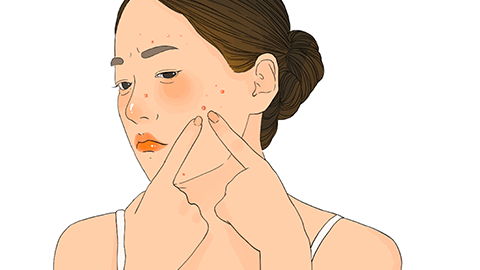
1. Daily Skincare: Keeping the face clean is fundamental. Use gentle facial cleansers and avoid over-cleansing, which may damage the skin barrier. After washing, apply lightweight moisturizers to reduce oil buildup. Avoid touching your face with hands to prevent bacterial transfer and worsening inflammation. Thoroughly remove makeup at the end of the day to minimize pore blockage.
2. Medication: Choose appropriate medications based on acne severity. Topical treatments—used under medical guidance—include adapalene gel, benzoyl peroxide gel, and clindamycin phosphate gel. For moderate to severe acne, oral medications such as doxycycline tablets, minocycline capsules, or isotretinoin soft capsules may be prescribed. Always follow medical instructions strictly when taking these medications.
3. Physical Treatments: Suitable for individuals who do not respond well to medications or prefer non-pharmacological options. Common methods include red and blue light therapy and photorejuvenation (IPL). Red and blue light therapy helps kill Propionibacterium acnes and reduces inflammation, while IPL improves enlarged pores, decreases sebum production, and helps fade acne scars.
4. Dietary Adjustments: Reduce intake of high-sugar, high-fat, and spicy foods, as these can stimulate sebum secretion. Increase consumption of fresh fruits and vegetables to obtain vitamins and dietary fiber, promoting healthy digestion and metabolic balance, thereby helping to prevent acne formation.
5. Sleep Regulation: Chronic late nights can disrupt endocrine function and worsen acne. Maintain a regular sleep schedule and ensure 7–8 hours of quality sleep each night to support hormonal balance, promote skin metabolism, and aid in acne recovery.
Acne recovery takes time, so patience and consistent care are essential. If acne continues to worsen or develops into cysts or nodules, seek medical attention promptly to prevent scarring and cosmetic concerns.


