


What does it mean if there's a hard lump on the waist that doesn't hurt when pressed, and what should be done about it?

In general, a hard lump on the waist that is painless upon pressing may be caused by fat accumulation, organized hematoma from trauma, sebaceous cysts, lipomas, or fibromas. Depending on the specific situation, patients can choose appropriate management methods such as lifestyle adjustments, medication, or surgical treatment. Detailed analysis is as follows:
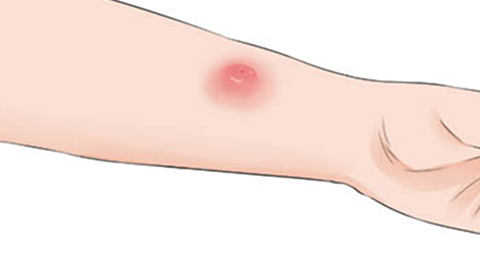
1. Fat Accumulation
Prolonged sitting or consuming a high-fat diet can lead to localized fat buildup in the waist area, forming firm nodules that are soft in texture but feel relatively hard to touch. Adjusting dietary habits by reducing intake of high-fat foods and increasing physical activity—such as sit-ups and jogging—can help promote fat metabolism.
2. Organized Hematoma from Trauma
A previous impact injury to the waist may have caused subcutaneous bleeding and hematoma formation, which failed to be fully absorbed and gradually became organized and hardened. Applying warm compresses with a hot towel can improve blood circulation; do this for 15 minutes twice daily, combined with gentle massage to accelerate the resolution of the hard lump.
3. Sebaceous Cyst
When sebaceous gland ducts become blocked, sebum accumulates and forms a cyst that feels firm and has well-defined borders. Keep the waist area clean and avoid squeezing. As directed by a physician, topical antibiotics such as mupirocin ointment or fusidic acid cream may be used. After infection is controlled, surgical excision of the sebaceous cyst may be performed.
4. Lipoma
A lipoma is a benign tumor formed by abnormal proliferation of fatty tissue, usually soft but slightly firm, and movable under the skin. If asymptomatic, observation may be sufficient. However, if it causes a sensation of pressure or discomfort, surgical removal can be considered. Postoperatively, keep the wound dry and prevent infection.
5. Fibroma
A fibroma is a benign tumor resulting from fibrous tissue overgrowth, typically firm in texture and smooth-surfaced. Small fibromas can be monitored with regular follow-up examinations. Surgical removal is recommended if the tumor increases in size or affects daily life. Postoperative care includes taking cefradine capsules as prescribed to prevent infection.
Maintain a healthy lifestyle and avoid trauma to the waist area. Control body weight to reduce the risk of fat accumulation. Avoid pressing or massaging lumps yourself. Seek prompt medical evaluation if the lump grows rapidly, becomes red or swollen, or starts causing pain.


