


What causes redness and stinging pain on the inner thigh skin, and what should be done about it?

The skin on the inner thigh may become red and painful due to friction, sweat irritation, contact dermatitis, tinea cruris (jock itch), or folliculitis. Symptoms can be improved by reducing friction, keeping the area dry, and using appropriate medical treatments. If the redness spreads, pain worsens, or if itching and pus develop, prompt medical attention is necessary.
1. Friction irritation: Tight clothing or repeated rubbing of the inner thighs during walking or exercise can damage the skin surface, causing redness and pain. It is recommended to switch to loose, breathable cotton clothing, reduce intense physical activity, and avoid further pressure on the affected area.
2. Sweat irritation: In summer or after excessive sweating, prolonged accumulation of sweat on the inner thighs can irritate the skin, leading to redness and mild stinging. Promptly clean and thoroughly dry the skin, keep the area dry, and avoid sitting for long periods in poorly ventilated environments.
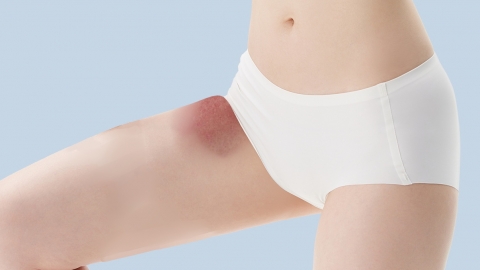
3. Contact dermatitis: Exposure to irritants or allergens such as synthetic fabrics or detergent residues can trigger skin inflammation, resulting in redness, pain, and possibly itching. Under medical guidance, medications such as hydrocortisone butyrate cream, loratadine tablets, or calamine lotion may be used to relieve discomfort.
4. Tinea cruris (jock itch): A fungal infection affecting the inner thigh skin, causing ring-shaped or patchy redness accompanied by pain and itching, often with more defined borders. Patients may use antifungal medications such as ketoconazole cream, miconazole cream, or terbinafine hydrochloride tablets under medical supervision to alleviate symptoms.
5. Folliculitis: Bacterial infection of hair follicles leads to red papules, sometimes with pus at the tip, along with redness and pain. As directed by a physician, topical ointments like mupirocin ointment or erythromycin ointment, or oral antibiotics such as cefuroxime axetil tablets, may be used to relieve symptoms.
Maintain cleanliness and dryness of the inner thigh area, wear loose and breathable clothing, avoid suspected irritants, follow a light diet avoiding spicy and stimulating foods, and refrain from scratching when experiencing itching or pain to support skin recovery.


