


What illness might a man's darkening complexion be a precursor to?

Generally, a man's darkening complexion may be an early sign of liver disease, kidney disease, endocrine disorders, blood disorders, or digestive system diseases. The details are as follows:
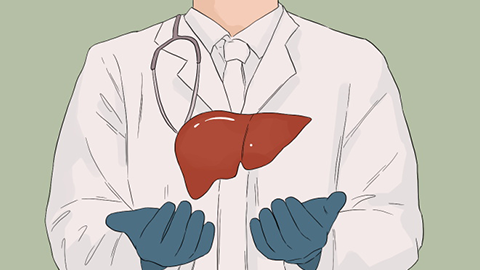
1. Liver disease: When liver function is impaired, the ability to metabolize bilirubin decreases, leading to bilirubin accumulation in the body. Hormonal imbalances can also trigger melanin deposition, resulting in a darkened complexion. This is often accompanied by symptoms such as fatigue, loss of appetite, and abdominal bloating. Timely liver function tests are recommended.
2. Kidney disease: When kidney filtration function becomes abnormal, toxins in the body cannot be properly excreted and accumulate in the bloodstream, stimulating the skin. At the same time, increased melanin production leads to dull, dark skin. Symptoms may include swelling, abnormal urine output, and lower back pain. Monitoring kidney function indicators is essential.
3. Endocrine disorders: Long-term sleep deprivation and high stress levels can cause hormonal imbalances—for example, adrenal dysfunction—which affect melanin metabolism and lead to a darkened complexion. This is commonly associated with insomnia, mood swings, and weight changes. Lifestyle adjustments and hormone level testing are recommended.
4. Blood disorders: Conditions such as anemia or abnormal hemoglobin reduce the blood’s oxygen-carrying capacity, depriving the skin of sufficient oxygen and causing it to appear dull and dark. Symptoms may include dizziness, palpitations, and fatigue. A complete blood count and other tests are needed to determine the underlying condition.
5. Digestive system diseases: Chronic indigestion and gastrointestinal dysfunction impair nutrient absorption, leading to nutritional deficiencies. As a result, the skin loses its luster and turns dark. This is often accompanied by bloating, diarrhea, and poor appetite. Improving digestive function and increasing nutritional intake are necessary.
When persistent facial darkening occurs, it is important to maintain regular sleep patterns, eat a balanced diet, and avoid excessive fatigue. If any of the above symptoms are present, prompt medical evaluation is advised to identify the cause and receive appropriate treatment. Avoid smoking and excessive alcohol consumption in daily life to reduce organ damage and promote overall health.


