


What causes brown, itchy ringworm on the skin of the breast, and what should be done about it?

Generally, brownish, itchy rashes on the breast skin may be caused by clothing irritation, improper cleansing, tinea corporis (fungal infection), eczema, pityriasis versicolor, and other reasons. Depending on the specific situation, improvements can be made through daily care or medical treatments. Detailed analysis is as follows:
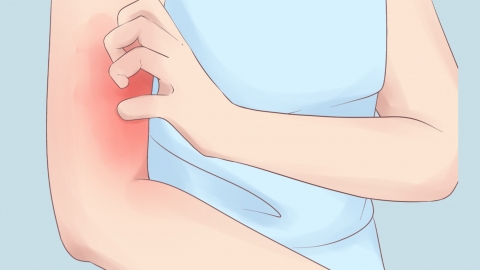
1. Clothing Irritation
Wearing synthetic or tight-fitting clothes can cause friction and irritation to the breast skin, leading to localized pigmentation appearing brownish, accompanied by itching. Switching to loose, cotton clothing helps reduce skin friction and prevents excessive pressure on the skin.
2. Improper Cleansing
Inadequate or excessive cleaning of the breast skin can damage the skin barrier, resulting in dryness, itching, and pigmentation. Gently wash the area daily with lukewarm water, avoid using strongly alkaline cleansers, and apply a mild moisturizer after cleansing.
3. Tinea Corporis (Fungal Infection)
Fungal infection of the breast skin causes tinea corporis. The invading hyphae affect the stratum corneum, leading to redness, scaling, and, over time, brownish patches with itching. Under medical guidance, topical antifungal creams such as miconazole nitrate cream, terbinafine hydrochloride cream, or bifonazole cream may be used. Keep the breast area clean and dry.
4. Eczema
Eczema on the breasts may result from hormonal changes or allergic reactions. Skin inflammation leads to redness and papules; after healing, brownish pigmentation may remain with persistent itching. As directed by a physician, topical corticosteroids such as hydrocortisone butyrate cream or desonide cream can be applied, and oral antihistamines like loratadine tablets may be taken. Avoid contact with known allergens.
5. Pityriasis Versicolor
Caused by Malassezia yeast infection, this condition involves fungal breakdown of sebum, leading to pigmentation. This results in brownish patches on the breast skin with mild itching. With doctor's guidance, topical treatments such as ketoconazole cream or miconazole clobetasol cream may be applied, and oral itraconazole capsules may be prescribed. Change clothes frequently and maintain good ventilation.
Daily care of the breast skin is important—use gentle hygiene products and wear comfortable clothing. Maintain a light diet and avoid spicy or irritating foods. If skin symptoms persist or worsen, seek timely evaluation at a dermatology clinic for accurate diagnosis and standardized treatment.


