


How to treat hand itching caused by carbon fiber allergy

Generally, itching caused by an allergic reaction to carbon fiber may result from direct contact irritation, weakened skin barrier function, contact dermatitis, allergic eczema, or dyshidrotic eczema (pompholyx). It is recommended to seek medical attention promptly, identify the underlying cause, and then improve symptoms under a doctor's guidance through general care, medication, and other treatments. A detailed analysis is as follows:
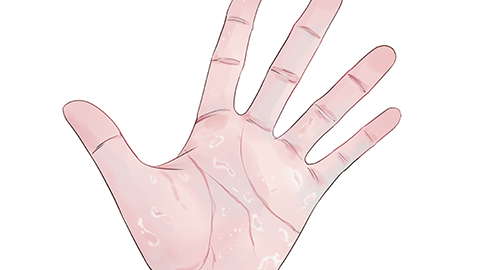
1. Direct contact irritation from carbon fiber: When the skin on the hands comes into direct contact with carbon fiber, fiber particles may adhere to and irritate the skin, causing localized itching. Immediately rinse hands thoroughly with running water for 5–10 minutes to remove residual fibers. When handling carbon fiber in the future, always wear thickened nitrile gloves to prevent direct skin contact.
2. Weakened skin barrier function: Dry hands or damaged stratum corneum reduce the skin’s protective ability, making it more susceptible to allergic reactions and itching upon contact with carbon fiber. After washing hands daily with lukewarm water, promptly apply vitamin E lotion or urea-vitamin E cream. Avoid frequent use of strongly alkaline soaps or hand washes to strengthen the skin barrier.
3. Contact dermatitis: Carbon fiber acts as an allergen triggering skin inflammation, manifesting as redness, papules, and itching on the hands. Avoid scratching the affected area. Follow medical advice to apply topical medications such as hydrocortisone butyrate cream, desonide cream, or mometasone furoate cream to reduce inflammatory responses.
4. Allergic eczema: Worsening allergic reactions lead to clusters of small blisters on the skin, accompanied by intense itching and a tendency to recur. Keep hands clean and dry, and avoid exposure to hot water. Under medical guidance, take oral antihistamines such as cetirizine hydrochloride tablets, loratadine capsules, or ebastine tablets, and use topical tacrolimus ointment to relieve symptoms.
5. Dyshidrotic eczema (pompholyx): Triggered by an allergic reaction combined with excessive hand sweating, this condition causes deep-seated small blisters on the palms and sides of fingers, along with itching and a burning sensation. Avoid tearing blisters manually. As directed by a physician, use calamine lotion, aluminum acetate solution, or compound copper sulfate solution for wet compresses. In severe cases, incision and drainage of large blisters may be performed to release fluid and relieve pressure.
In daily life, maintain a light diet, avoid spicy and irritating foods, and consume more fruits and vegetables rich in vitamin C. Avoid contact between hands and irritants such as detergents and disinfectants. During episodes of itching, cold compresses can provide temporary relief. Proper protection and standardized treatment will promote recovery of hand skin health.


