


Why does a bite from a very tiny insect cause intense itching, and what should I do about it?

Generally, intense itching from bites of very small insects may be caused by foreign proteins in insect saliva, repeated scratching damaging the skin barrier, insect bite dermatitis, papular urticaria, or atopic dermatitis. It is recommended to seek medical attention promptly, identify the underlying cause, and under a doctor's guidance, improve symptoms through general management, medication, and other approaches. Specific analyses are as follows:
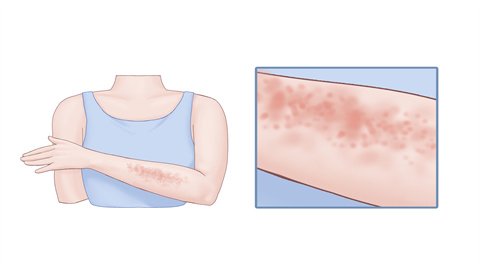
1. Stimulation by foreign proteins in insect saliva: When tiny insects bite, they inject saliva containing foreign proteins, triggering a localized allergic reaction in the skin and releasing inflammatory mediators that cause severe itching. Thoroughly rinse the bite area with running water or normal saline to remove residual saliva, then gently pat dry with a clean towel.
2. Repeated scratching damaging the skin barrier: Scratching can tear the skin’s surface, leading to excessive release of inflammatory mediators, worsening itchiness, and increasing the risk of infection. Trim fingernails short and smooth; when itching occurs, apply a cool damp towel compress or gently pat the affected area. Non-irritating moisturizers may also be applied to relieve discomfort.
3. Insect bite dermatitis: An allergic inflammation triggered by bites from mosquitoes, mites, and other small insects, characterized by redness, papules, and significant itching. Patients should follow medical advice to apply topical treatments such as calamine lotion, desonide cream, or mometasone furoate cream, and take oral antihistamines like loratadine tablets.
4. Papular urticaria: Often caused by bites from fleas, bedbugs, or similar insects, presenting as spindle-shaped wheals, sometimes with blisters at the center, accompanied by intense itching. Follow medical advice to take oral medications such as cetirizine hydrochloride tablets, fexofenadine hydrochloride tablets, or ebastine tablets to alleviate symptoms.
5. Atopic dermatitis: Individuals with inherently compromised skin barriers are prone to developing or exacerbating dermatitis after insect bites, experiencing persistent itching along with dry, flaky skin. Follow medical guidance to use topical agents such as tacrolimus ointment, pimecrolimus cream, or hydrocortisone butyrate cream, and take oral medications such as diphenhydramine hydrochloride tablets. Avoid exposure to known allergens.
In daily life, maintain a clean and dry living environment, and regularly use safe insect repellents. When outdoors, wear long-sleeved clothing and long pants, and apply insect repellent to reduce the chance of insect bites. Maintain a light diet, consume more fresh fruits and vegetables rich in vitamins, avoid spicy and irritating foods, and support skin recovery.


