


How to relieve acne caused by blocked lymph nodes under the chin

Generally, acne on the chin caused by blocked lymph nodes may be due to factors such as irregular作息 (daily routines), slowed metabolism, dietary irritation increasing bodily burden, common acne, lymphadenitis, or polycystic ovary syndrome. It is recommended to seek timely medical attention, identify the underlying cause, and then improve the condition under a doctor's guidance through general management, medication, and other treatments. A detailed analysis is as follows:
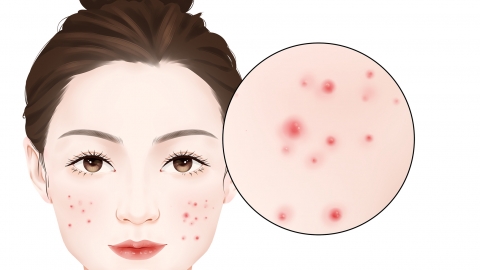
1. Irregular作息 and Slowed Metabolism: Long-term熬夜 (staying up late) or insufficient sleep can reduce the body’s metabolic rate, impair lymphatic circulation in the chin area, and lead to toxin accumulation that triggers acne. It is advised to go to bed before 11 PM every night, ensure 7–8 hours of high-quality sleep, and drink a glass of warm water upon waking to promote metabolism.
2. Dietary Irritation Increasing Burden: Frequently consuming spicy, high-sugar, or fried foods can stimulate excessive sebum production, clogging lymphatic ducts and triggering acne. Adjust your diet to focus on light, healthy foods, and increase intake of fiber-rich options such as spinach, celery, and apples.
3. Common Acne: When hair follicles on the chin become infected with *Propionibacterium acnes*, impaired lymphatic circulation can worsen inflammation, resulting in red, raised pimples. Follow medical advice to use topical medications such as adapalene gel, clindamycin phosphate gel, or benzoyl peroxide gel. Gently massaging the chin area may help improve lymphatic drainage; avoid squeezing acne lesions.
4. Lymphadenitis: Infections in the mouth or throat can spread to the lymph nodes beneath the chin, causing inflammation, lymphatic blockage, and acne-like symptoms, often accompanied by swollen and painful lymph nodes. Under medical supervision, antibiotics such as cefuroxime axetil tablets, roxithromycin dispersible tablets, or amoxicillin capsules may be used to control infection, along with treatment of the original infection site.
5. Polycystic Ovary Syndrome (PCOS): Hormonal imbalances leading to elevated androgen levels can cause excessive sebum production and lymphatic blockage. Besides chin acne, symptoms may include menstrual irregularities and hirsutism (excessive hair growth). Hormone-regulating medications such as ethinylestradiol cyproterone acetate tablets, spironolactone tablets, or metformin tablets should be taken as prescribed by a physician.
In daily life, maintain cleanliness of the chin skin using gentle facial cleansers, and avoid frequently touching the area. Stay emotionally balanced and minimize mental stress. Through regular作息, a balanced diet, and proper medical treatment, you can promote lymphatic flow in the chin area and facilitate acne resolution.


