


How to treat facial injuries from a fall to prevent scarring

Generally, preventive measures to minimize scarring after facial injuries include immediate cleaning and disinfection, wound protection, medical intervention, physical repair methods, and dietary adjustments. Detailed analysis is as follows:
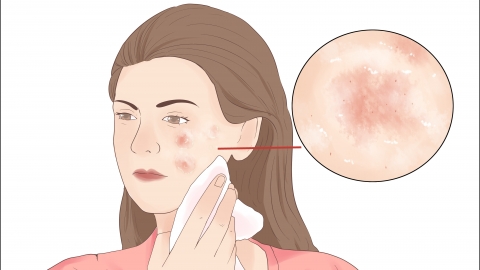
1. Immediate Cleaning and Disinfection
After an injury, dirt can easily adhere to the wound and cause infection, which may worsen tissue damage and increase the risk of scarring. Gently rinse the wound with normal saline to remove foreign particles, then disinfect with iodophor. Avoid using alcohol, as it may irritate the wound.
2. Wound Protection
During the healing process, avoid scratching to prevent damage to newly formed tissue. Small wounds can be covered with sterile, breathable adhesive bandages, while larger wounds should be protected with sterile gauze. Maintaining a moist wound environment helps promote epidermal regeneration.
3. Medical Intervention
Appropriate medication during wound healing can help reduce scar formation. As directed by a physician, topical applications such as recombinant human epidermal growth factor gel, silicone gel, or mucopolysaccharide polysulfate cream can be used to promote wound repair and inhibit scar overgrowth.
4. Physical Repair
If post-inflammatory hyperpigmentation or mild scar hypertrophy occurs after wound healing, appropriate physical treatments can be applied. Common options include carbon dioxide fractional laser and intense pulsed light therapy, which stimulate collagen remodeling to fade scars and pigmentation.
5. Dietary Adjustment
Nutrition significantly affects wound healing quality. Increase intake of vitamin C-rich fruits and vegetables and high-quality proteins, such as oranges and eggs, to support tissue repair. Avoid spicy foods and dark-colored foods to reduce the risk of pigment deposition.
Treating facial injuries requires a step-by-step approach with careful attention at every stage. Seek prompt medical care if the wound is deep, bleeding persists, or signs of redness, swelling, or pus appear. After healing, consistent sun protection is essential to prevent ultraviolet radiation from worsening pigmentation. Patient and diligent follow-up care can significantly reduce the likelihood of scarring.


