


What could be the cause of many small red spots appearing on the arms and back?

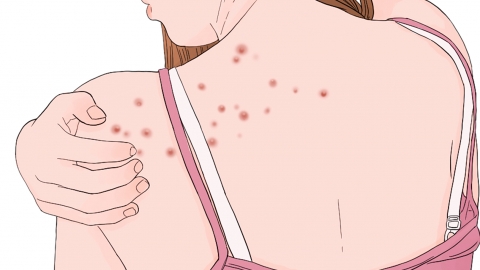
Many small red spots appearing on the arms and back may be caused by keratosis pilaris, insect bites, allergic purpura, folliculitis, or eczema. These can be improved through moisturizing care, avoiding scratching, and medical treatment. If the number of red spots increases or is accompanied by itching, pain, or fever, prompt medical attention is necessary.
1. Keratosis pilaris: Genetic factors cause accumulation of keratin at hair follicle openings, forming tiny red or pale red spots the size of a pinhead, with a rough texture but no discomfort. It is recommended to enhance skin moisturization by using gentle body lotions, avoid frequent exfoliation, and reduce skin irritation.
2. Insect bites: During summer or after contact with plants and flowers, insect bites can cause localized small red spots, accompanied by mild itching, appearing either scattered or in small clusters. Avoid scratching, clean the bite area with soapy water, apply cooling and anti-itch products, and take preventive measures against mosquitoes in the environment.
3. Allergic purpura: After infection or exposure to allergens, capillary inflammation leads to red petechiae or purpuric patches that do not fade under pressure, possibly accompanied by mild tenderness. It is recommended to take medications such as loratadine syrup, vitamin C tablets, and rutin tablets under medical guidance to alleviate symptoms.
4. Folliculitis: Bacterial infection of hair follicles causes inflammatory red papules, sometimes with white pus heads at the top, accompanied by mild itching or pain. Under medical supervision, topical treatments such as mupirocin ointment, erythromycin ointment, or oral cefaclor dry suspension may be used to relieve discomfort.
5. Eczema: Triggered by humid environments or contact with irritants, eczema manifests as small red papules and erythematous patches, accompanied by significant itching, and the skin may become dry and scaly. Patients may use hydrocortisone butyrate cream, cetirizine hydrochloride drops, or calamine lotion as directed by a physician to improve symptoms.
Maintain clean and dry skin on the arms and back, wear cotton and breathable clothing, avoid suspected irritants such as pollen and dust mites, follow a light diet rich in fruits and vegetables, refrain from scratching when itchy, and maintain regular sleep patterns to support skin recovery.


