


What does it mean if a girl has pink areas around her joints, and what should be done?

Pink discoloration at the joints in females may result from friction, increased local blood circulation, allergic dermatitis, eczema, or contact dermatitis. This can be improved by reducing friction, applying cold compresses, or using medical treatments. If the pink color persists or is accompanied by itching or pain, prompt medical attention is recommended.
1. Friction irritation: Frequent joint movement or tight clothing causing repeated rubbing can lead to localized skin congestion and a pink appearance, without other discomfort. It is advised to wear loose, breathable clothing, avoid excessive friction on joints, and reduce strenuous physical activity.
2. Increased local blood circulation: After exercise or during emotional excitement, accelerated blood flow can temporarily cause the skin around joints to appear pink, which usually resolves with rest. It is recommended to rest promptly after exercise and apply a cool towel to the affected joint area to aid skin recovery.
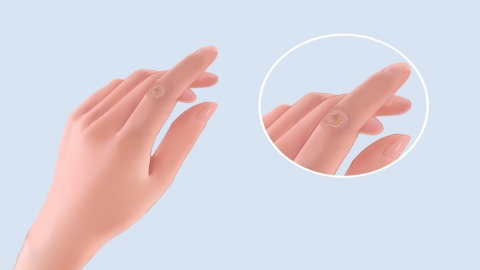
3. Allergic dermatitis: Exposure to allergens such as pollen or dust mites may trigger an allergic reaction on the skin around joints, presenting as pink patches accompanied by itching. Under medical guidance, medications such as loratadine tablets, calamine lotion, or desonide cream may be used to relieve symptoms.
4. Eczema: Triggered by genetic or environmental factors, eczema may manifest around joints as pink papules or red plaques, accompanied by significant itching and dry skin. Under medical supervision, hydrocortisone butyrate cream, cetirizine hydrochloride drops, or mometasone furoate gel may be used to alleviate discomfort.
5. Contact dermatitis: Inflammation caused by skin contact with irritants such as metal jewelry or synthetic fabrics may lead to pink patches on joints, often associated with burning sensations and itching. As directed by a physician, topical mupirocin ointment, ebastine tablets, or compound acetic acid dexamethasone cream may help improve symptoms.
Maintain clean and dry skin around joints, choose cotton and breathable clothing, avoid suspected allergens, follow a light diet avoiding spicy and irritating foods, and refrain from scratching when itchy to support stable skin health.


