


What should I do about two indented grooves on both sides of the top of my head?

Indentations appearing on both sides of the top of the head should be addressed through identifying the underlying cause, targeted examinations, scientific interventions, regular monitoring, and lifestyle adjustments. In most cases, these indentations are due to physiological factors or benign conditions. However, if symptoms such as pain, dizziness, or deepening of the indentation occur, prompt medical consultation is necessary.
1. Identify the cause: These indentations commonly result from normal skull anatomy or age-related soft tissue atrophy. Less frequently, they may stem from post-traumatic skull changes or pathological bone resorption. A preliminary assessment should be made based on individual circumstances.
2. Targeted examinations: When necessary, imaging tests such as cranial CT or MRI should be performed to rule out structural abnormalities like skull lesions or intracranial disorders, providing a basis for further management.
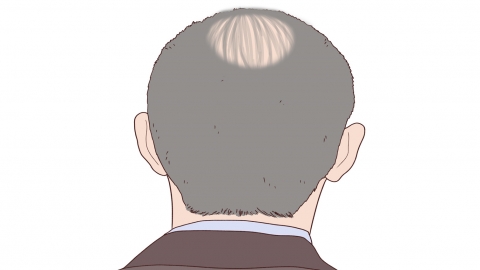
3. Scientific intervention: Physiological indentations require no special treatment. If caused by soft tissue atrophy, appropriate nutritional supplementation may help. For pathological causes, follow medical advice regarding medications, surgery, or other specific treatments.
4. Regular monitoring: Individuals without discomfort should periodically observe for changes in the indentation. If morphological changes or new symptoms develop, timely re-evaluation is recommended.
5. Lifestyle adjustments: Avoid repeated pressure or impact to the top of the head. Maintain a balanced diet rich in nutrients, follow a regular sleep schedule to improve overall health, and minimize adverse effects on the affected area.
In daily life, take care to protect the head from injury. Use soft, comfortable pillows to reduce localized pressure. Consume adequate calcium and protein through the diet, keep the scalp clean, avoid frequent stimulation of the indented areas, and maintain optimal head health.


