


What causes fluid to leak from under the big toe nail, and what should be done about it?

Generally, fluid discharge under the big toenail may be caused by trauma, dampness and irritation from tight shoes and socks, paronychia, infected onychomycosis, or pyogenic granuloma. Depending on the specific situation, improvements can be achieved through conservative management, medication, or surgical treatment. Detailed analysis is as follows:
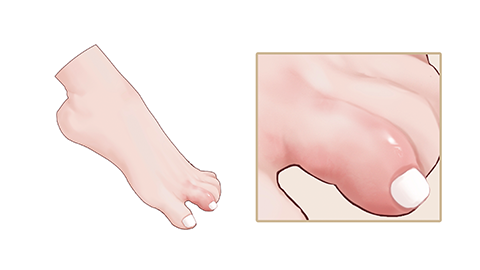
1. Trauma
Crushing or compression injuries can cause separation of the nail from the nail bed, leading to exudation of tissue fluid. Rinse with normal saline, keep the area dry, wear loose-fitting shoes and socks, and avoid further pressure on the toenail.
2. Dampness and Irritation from Shoes and Socks
Wearing non-breathable footwear for prolonged periods can lead to moist toes, damaging the skin barrier and resulting in exudate. Immediately switch to breathable cotton socks and loose shoes. Wash feet daily with warm water and dry thoroughly afterward.
3. Paronychia
Bacterial infection of the nail fold causes inflammation, leading to tissue congestion and fluid discharge, often accompanied by redness, swelling, and pain. Apply mupirocin ointment or fusidic acid cream topically as directed by a physician, and take cefradine capsules orally.
4. Infected Onychomycosis
Fungal infection of the nail plate may lead to secondary bacterial infection, damaging subungual tissues and causing exudate. Trim the affected edges of the nail and apply terbinafine hydrochloride cream topically as prescribed. Take itraconazole capsules or fluconazole tablets orally according to medical advice.
5. Pyogenic Granuloma
Following trauma, abnormal proliferation of capillaries forms a granuloma that is prone to rupture and exude fluid. Avoid squeezing or pressing it. Seek prompt medical attention for surgical removal. After surgery, disinfect the wound with iodophor to prevent infection.
In daily life, choose breathable shoes and socks to keep feet dry; avoid toe injuries and do not cut nails too short. Address any signs of infection promptly. If fluid discharge persists or is accompanied by fever, seek immediate medical care.


