


What causes a boil to become inflamed and swell over a large area?

Generally, extensive swelling and inflammation of boils may be caused by insufficient skin hygiene, local friction injury, Staphylococcus aureus infection, diabetes, or cellulitis. Depending on the specific situation, improvements can be achieved through general management, medication, or surgical treatment. Detailed analysis is as follows:
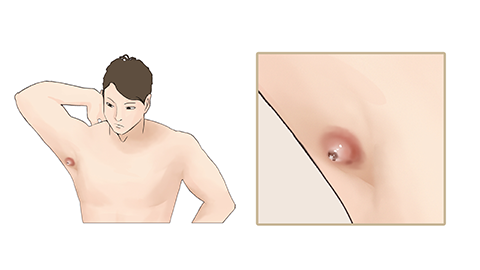
1. Inadequate Skin Cleansing
Accumulation of dirt and oils on the skin surface can clog hair follicles, creating conditions favorable for bacterial growth and triggering inflammatory swelling. Clean the skin daily with warm water, frequently change cotton clothing, and keep the skin dry and well-ventilated.
2. Local Friction Injury
Tight clothing or repeated friction can damage the skin, impairing its barrier function and making it susceptible to bacterial invasion, which may lead to boil swelling. Switch to loose, soft clothing to avoid friction on affected areas, and clean any broken skin with normal saline.
3. Staphylococcus aureus Infection
This bacterium invades hair follicles and surrounding tissues, causing acute suppurative inflammation, resulting in localized redness, swelling, heat, and pain. Follow medical advice to apply ichthammol ointment topically and take cefradine capsules or azithromycin dispersible tablets orally.
4. Diabetes
Poor blood glucose control leads to reduced immune function, allowing bacteria to multiply and spread more easily, thereby worsening inflammation and expanding the swollen area. Strictly manage diet, follow medical instructions to take metformin tablets, glimepiride tablets, or inject insulin solution, and simultaneously undergo anti-infective treatment.
5. Cellulitis
Infection from a boil spreads into the subcutaneous fat tissue, causing diffuse inflammation, leading to large-area swelling accompanied by pain. Seek immediate medical attention; follow medical advice to take levofloxacin tablets or clindamycin capsules orally, apply mupirocin ointment topically, and undergo incision and drainage if an abscess forms.
Maintain good skin hygiene in daily life and avoid skin injuries. Eat a balanced diet to control blood sugar levels and enhance overall immunity. If swelling from boils persists without improvement or if fever develops, seek prompt medical care to prevent the spread of infection.


