


Why does the lower leg itch and become more itchy when scratched, with skin hardening? What should be done?

Generally, itching in the lower legs that worsens with scratching and leads to hardened skin may be caused by dryness and dehydration of the skin, clothing friction, xerosis (dry eczema), neurodermatitis, or ichthyosis. It is recommended to seek medical attention promptly, identify the underlying cause, and follow a doctor's guidance for improvement through general care, medication, or other treatments. Specific causes are analyzed as follows:
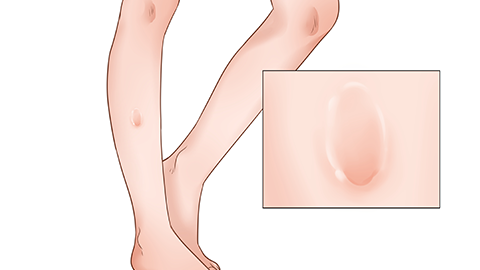
1. Dry and Dehydrated Skin: The lower legs have fewer sebaceous glands. In dry seasons such as autumn and winter, or due to insufficient water intake, skin loses moisture quickly, leading to thickened and hardened stratum corneum and subsequent itching. Clean the lower legs daily with lukewarm water at around 37°C, avoid excessive scrubbing, and immediately apply urea-vitamin E cream after drying. Use a humidifier indoors and drink more than 1,500 mL of water per day.
2. Clothing Friction and Irritation: Wearing synthetic or tight pants frequently can cause repeated friction on the skin of the lower legs, damaging the skin barrier. This results in worsening itchiness upon scratching and keratinization-induced skin hardening. Switch to loose, breathable cotton trousers, avoid scratching affected areas, apply a cold towel gently to relieve itching, and use non-irritating detergents when washing clothes, ensuring thorough rinsing.
3. Xerosis (Dry Eczema): Reduced sebum secretion triggers inflammation, causing pale red patches on the lower legs accompanied by dryness, flaking, and itching. Prolonged scratching leads to thickened, hardened skin. Patients should use medications such as calamine lotion, desonide cream, or hydrocortisone butyrate cream under medical supervision. Apply moisturizer within 3 minutes after bathing to lock in moisture.
4. Neurodermatitis: Caused by chronic stress or persistent friction and irritation, this condition presents with well-demarcated lichenified plaques on the lower legs, hardened skin, and intense itching that worsens with scratching. Treatment may include topical tacrolimus ointment, pimecrolimus cream, or oral cetirizine hydrochloride tablets as directed by a physician.
5. Ichthyosis: A genetic disorder causing abnormal keratinization, resulting in dry, scaly skin on the lower legs resembling fish scales. Chronic scratching leads to thickened, hardened skin and significant itching. Under medical guidance, patients may use compound lactic acid cream, tretinoin cream, or isotretinoin soft capsules. Applying petroleum jelly after bathing helps reduce keratin buildup.
In daily life, avoid washing the lower legs with hot water and minimize consumption of spicy or irritating foods. Choose mild, soap-free cleansers and maintain hydration and sun protection when outdoors. Wear loose-fitting socks to prevent constriction of the skin. Proper skincare practices can help alleviate itching and restore skin softness.


