What causes several hard lumps to develop at the back of the neck, and what should be done about it?
Dec 01, 2025
Source: Cainiu Health

Dr. Liu Wenmin
Introduction
A hard lump at the back of the neck may be caused by local pressure, excessive sebum production, sebaceous cysts, folliculitis, or swollen lymph nodes. It can be improved by adjusting posture, proper cleansing and skincare, or medication. If the lump continues to grow, becomes increasingly painful, or is accompanied by fever, prompt medical attention is required. Prolonged低头 or using a pillow that is too hard can lead to...
A hard lump at the back of the neck may result from localized pressure, excessive sebum production, sebaceous cysts, folliculitis, or swollen lymph nodes. Symptoms can be improved through posture adjustment, proper cleansing and care, and medication. If the lump continues to grow, becomes increasingly painful, or is accompanied by fever, prompt medical attention is necessary.
1. Localized Pressure: Prolonged forward head posture or using a pillow that is too firm can impair blood circulation in the neck area, leading to mild tissue swelling and formation of a hard lump, which may feel sore or tender when pressed. It is recommended to correct sitting and standing posture, avoid prolonged periods of looking down, choose a pillow with moderate firmness, and perform regular neck movements.
2. Excessive Sebum Production: The neck has active sebaceous glands, and overproduction of oil can clog pores, forming firm, knot-like lumps, possibly accompanied by mild itching. Cleanse the neck daily with warm water, avoid squeezing with hands, use lightweight skincare products, and minimize sebum accumulation.
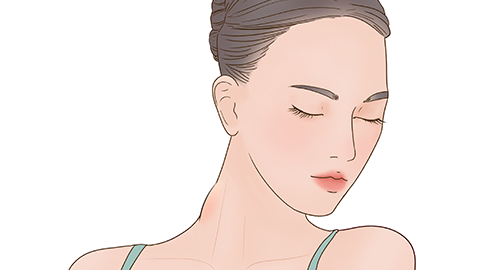
3. Sebaceous Cyst: Blockage of sebaceous gland ducts causes accumulation of sebum, forming a smooth-surfaced, cystic hard lump. It is usually painless unless infected, when redness and swelling may occur. Under medical guidance, patients may use medications such as erythromycin ointment, mupirocin ointment, or cefradine capsules to relieve discomfort.
4. Folliculitis: Bacterial infection of hair follicles in the neck leads to inflammation and formation of a hard lump, often with a pus spot at the tip and tenderness upon pressure. Under medical guidance, treatment options include fusidic acid cream, minocycline hydrochloride capsules, and iodine tincture for disinfection to alleviate symptoms.
5. Swollen Lymph Nodes: Inflammation in the head or neck region can trigger reactive enlargement of cervical lymph nodes, forming a hard lump that may be painful when pressed. The swelling typically subsides as the underlying infection resolves. As directed by a physician, medications such as amoxicillin capsules, cefixime dispersible tablets, or Pudilan anti-inflammatory oral liquid may be used to improve symptoms.
Maintain cleanliness and dryness of the neck area, avoid frequent touching or squeezing of the lump, wear loose and breathable clothing, follow a light diet rich in fruits and vegetables, reduce intake of spicy and greasy foods, maintain regular sleep patterns, and avoid staying up late to prevent exacerbating inflammatory responses in the body.