


What causes blisters on hands during seasonal changes, and what should be done?
Dec 01, 2025
Source: Cainiu Health

Dr. Liu Wenmin
Introduction
In general, the appearance of blisters on the hands during seasonal changes may be caused by sudden climate shifts, exposure to seasonal allergens, dyshidrotic eczema, hand fungus (tinea manuum), or dermatitis. It is recommended to seek medical attention promptly, identify the underlying cause, and then improve the condition under a doctor's guidance through general management, medication, or other treatments. In daily life, keep hands dry and avoid squeezing the blisters to prevent infection.
Generally, the appearance of small blisters on the hands during seasonal changes may be caused by sudden climate shifts, exposure to seasonal allergens, dyshidrotic eczema (pompholyx), tinea manuum (fungal infection of the hands), or eczema. It is recommended to seek medical advice promptly, identify the underlying cause, and then improve the condition under a doctor's guidance through general management, medication, and other treatments. A detailed analysis is as follows:
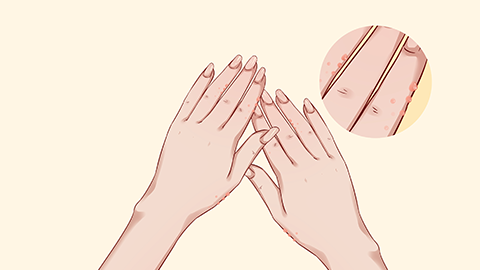
1. Sudden Climate Changes: During seasonal transitions, drastic fluctuations in temperature and humidity can lead to rapid moisture loss from the skin on the hands, weakening the skin barrier and resulting in clear, small blisters. Wash hands with 37°C lukewarm water—avoid hot water—and immediately apply a ceramide-containing hand cream after drying. Wear cotton gloves when outdoors to protect against cold wind irritation.
2. Exposure to Seasonal Allergens: Pollen and dust mites increase during seasonal changes; contact with these allergens can trigger an immune response, causing itchy blisters. Wear gloves when handling plants, pets, or fuzzy materials. Use a gentle hand wash after returning home, and clean bedding regularly with a mite-removal device to reduce allergen exposure.
3. Dyshidrotic Eczema (Pompholyx): Hormonal fluctuations or damp conditions during seasonal changes may trigger this condition. Blisters typically appear deep within the palms and sides of fingers, accompanied by burning and intense itching. Patients should follow medical advice to use medications such as calamine lotion, hydrocortisone butyrate cream, or desonide cream, and avoid irritants like soap and dishwashing detergent.
4. Tinea Manuum (Hand Fungus): Caused by fungal infection, blisters often form in a ring-like pattern with clear borders. After rupture, they are followed by scaling. Patients should use antifungal medications as directed, such as bifonazole cream, terbinafine hydrochloride cream, or itraconazole capsules. Towels and gloves should be used separately to prevent cross-infection.
5. Eczema: Triggered by environmental irritants during seasonal transitions, blisters tend to cluster and easily ooze fluid, accompanied by severe itching and skin thickening. Treatment under medical guidance may include topical agents such as tacrolimus ointment, pimecrolimus cream, or mometasone furoate cream. Avoid spicy foods, seafood, and other allergenic foods in the diet.
In daily life, keep hands dry and avoid squeezing blisters to prevent infection. Wear waterproof gloves when doing household chores to minimize exposure to chemicals. Eat more fresh fruits and vegetables to boost vitamin intake, maintain regular sleep patterns, strengthen immunity, and support healthy skin adaptation during seasonal changes.





