


What causes persistent raised red pimples that won't go away, and what should I do about it?

Generally, persistent red raised pimples may be caused by excessive sebum production, improper cleansing methods, acne, rosacea, polycystic ovary syndrome (PCOS), and other factors. It is recommended to seek medical advice promptly, identify the underlying cause, and follow a doctor's guidance for improvement through general management, medication, or other treatments. Specific analyses are as follows:
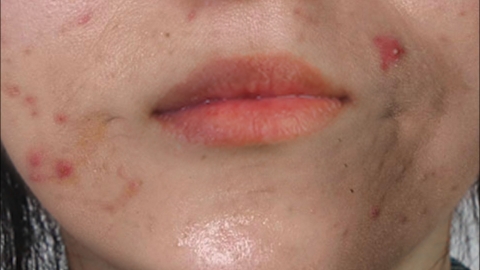
1. Excessive sebum production: During puberty or hormonal fluctuations, increased sebum secretion can clog pores and trigger pimples. Maintain a light diet, reduce intake of high-sugar and high-fat foods, keep a regular sleep schedule avoiding late nights, and use oil-controlling amino acid-based facial cleansers to gently remove excess oil twice daily.
2. Improper cleansing: Incomplete cleansing leaves dirt and residue that block pores, while over-cleansing damages the skin barrier and worsens acne. Wash your face daily with lukewarm water and a gentle cleanser. After makeup use, apply a proper makeup remover for thorough cleaning. Avoid frequent exfoliation or harsh, irritating cleansers.
3. Acne: Inflammation caused by infection of hair follicles with *Propionibacterium acnes* leads to red, raised pimples that tend to recur. Follow medical advice to use topical medications such as adapalene gel, clindamycin phosphate gel, or isotretinoin gel. Do not squeeze pimples manually to prevent spreading infection.
4. Rosacea: Abnormal blood vessel dilation in the skin can worsen pimples when triggered by temperature changes or spicy foods, often accompanied by facial redness. Under medical supervision, treatments may include metronidazole gel, azelaic acid cream, or oral doxycycline hydrochloride tablets. Avoid known triggers and maintain adequate facial hydration.
5. Polycystic ovary syndrome (PCOS): Hormonal imbalances lead to elevated androgen levels, stimulating sebum production and causing persistent, hard-to-treat acne. Follow a doctor’s instructions to regulate hormones and metabolism using medications such as ethinylestradiol/cyproterone acetate tablets, spironolactone tablets, or metformin tablets, combined with regular exercise and weight management.
In daily life, maintain emotional stability and avoid stress. Apply sun protection when outdoors to minimize UV irritation. Use simple, non-irritating moisturizers and avoid oily skincare products. With scientific skincare and standardized treatment, red raised pimples can gradually improve, promoting overall skin health.


