


How to improve facial lack of sweating and turning bright red when overheated

Under normal circumstances, facial redness and heat without sweating may be caused by sparse distribution of facial sweat glands, thickened stratum corneum blocking sweat glands, contact dermatitis, rosacea, or hyperthyroidism. It is recommended to seek timely medical attention, identify the underlying cause, and then improve symptoms under a doctor's guidance through general management, medication, and other treatments. Specific causes are analyzed as follows:
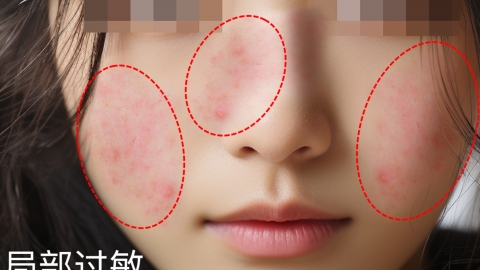
1. Sparse facial sweat gland distribution: Some individuals are born with fewer facial sweat glands or have underdeveloped glands, making it difficult to dissipate heat through sweating in high temperatures, leading to blood vessel dilation and facial flushing. Avoid prolonged exposure to hot environments, wear breathable wide-brimmed hats when going outdoors, and carry cooling sprays for personal use.
2. Thickened stratum corneum blocking sweat glands: Failure to exfoliate regularly can lead to accumulation of dead skin cells that block sweat gland openings, obstructing sweat release and causing facial redness. Exfoliate gently once a week using a mild scrub, cleanse daily with amino acid-based facial cleansers, and apply moisturizers containing niacinamide afterward.
3. Contact dermatitis: Using skincare products containing irritating ingredients can damage the skin barrier, making the face prone to redness and discomfort in high temperatures, possibly accompanied by itching. Immediately discontinue suspected products, follow medical advice to use medications such as loratadine tablets, calamine lotion, or desonide cream, and switch to simple-formula medical-grade skincare products.
4. Rosacea: Due to genetic factors or abnormal neural regulation, facial blood vessels may dilate persistently when stimulated by heat, resulting in persistent facial redness (flushing), often accompanied by papules. Follow a physician’s instructions to use topical metronidazole gel, azelaic acid cream, or oral doxycycline hydrochloride tablets to manage symptoms.
5. Hyperthyroidism: Excess thyroid hormones accelerate metabolism and stimulate the sympathetic nervous system, causing facial vasodilation, redness without sweating, and possibly palpitations. Patients should follow medical guidance to take medications such as methimazole tablets, propylthiouracil tablets, or propranolol tablets for treatment.
Maintain a regular sleep schedule and avoid staying up late to enhance skin resistance. Eat more fresh fruits and vegetables rich in vitamins, and reduce alcohol consumption and spicy food intake. Practice strict sun protection when outdoors—such as wearing hats and sunglasses—to prevent UV exposure from worsening facial redness. Comprehensive care can help alleviate facial discomfort.


