


What does it mean when white soft tissue comes out after squeezing a pustule, and what should be done?

Generally, the appearance of white, soft, meat-like substance discharged from a pus-filled abscess may result from improper squeezing causing tissue hyperplasia, poor local hygiene leading to clogged hair follicles, folliculitis, infected sebaceous cysts, or furuncles (boils). It is recommended to seek medical attention promptly, identify the underlying cause, and follow a doctor's guidance for improvement through general care, medication, or other treatments. Specific analyses are as follows:
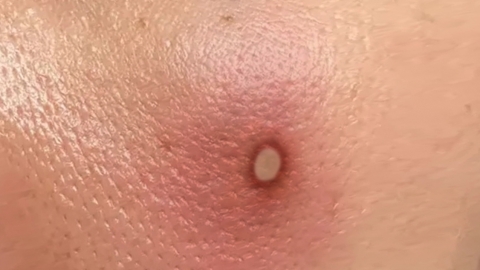
1. Tissue Hyperplasia Due to Improper Squeezing: Blindly squeezing an abscess can spread inflammation, causing local tissue irritation and abnormal proliferation that forms a white, soft, meat-like mass. Immediately stop squeezing, disinfect the affected area and surrounding skin with iodophor, and apply erythromycin ointment to protect the wound and prevent secondary injury.
2. Poor Local Hygiene Leading to Follicular Blockage: Incomplete skin cleansing allows sweat and dirt to block hair follicles, where accumulated sebum mixes with bacteria to form abscesses; the discharge may contain hyperplastic tissue. Wash the affected area daily with warm water, use mild facial cleansers, keep the skin dry, and wear loose, breathable clothing to reduce friction.
3. Folliculitis: Inflammation caused by *Staphylococcus aureus* infection of hair follicles leads to pustule formation at the follicular opening. The white, soft tissue expressed is inflammatory granulation tissue. Follow medical advice to apply topical medications such as mupirocin ointment, fusidic acid cream, or compound polymyxin B ointment, and avoid scratching to prevent spreading the infection.
4. Infected Sebaceous Cyst: A blocked sebaceous gland duct forms a cyst, which becomes secondarily infected and develops into an abscess. The white, soft material consists of the cyst wall and inflammatory tissue. During the early stage of infection, take oral antibiotics such as cefaclor capsules, amoxicillin-clavulanate potassium tablets, or roxithromycin capsules as prescribed to control inflammation. After inflammation subsides, surgical excision of the sebaceous cyst may be performed.
5. Furuncle (Boil): Acute suppurative infection involving hair follicles and deeper tissues results in abscess formation. The white, soft mass within consists of necrotic tissue mixed with pus, accompanied by significant redness, swelling, and pain. Avoid self-treatment; seek medical care for incision and drainage of the boil to remove pus and necrotic tissue. Regular dressing changes after surgery promote healing.
Maintain a light diet, avoid spicy and irritating foods, and consume more fresh fruits and vegetables to supplement vitamins. Keep a regular sleep schedule to enhance immunity, and avoid contact with contaminated water until the abscess has healed. Proper wound care supports healthy skin recovery.


