


What causes bumps and itching after exposing hands to sunlight, and what should be done?

Generally, bumps and itching on the hands after sun exposure may be caused by factors such as skin dehydration due to sunlight, ultraviolet (UV)-induced blood vessel dilation, solar dermatitis, polymorphic light eruption, or photoallergic dermatitis. It is recommended to seek medical attention promptly, identify the underlying cause, and then improve symptoms under a doctor's guidance through general care, medication, or other treatments. A detailed analysis is as follows:
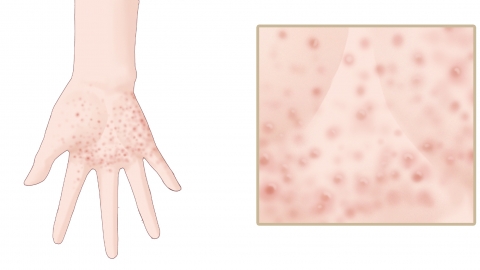
1. Skin dehydration due to sun exposure: Prolonged sun exposure accelerates water evaporation from the skin on the hands, leading to dryness and damage of the stratum corneum. This compromises the skin’s barrier function, resulting in bumps and itching. Immediately move to a shaded area, apply a cold compress using a towel-wrapped ice pack for 10 minutes, then apply a gentle moisturizing cream to lock in moisture.
2. UV-induced blood vessel dilation: UV radiation causes blood vessels in the skin of the hands to dilate, triggering histamine release that stimulates nerve endings, leading to bumps and itching. Wear cotton gloves or apply sunscreen with SPF 30+ when outdoors, and avoid direct sunlight between 10 a.m. and 4 p.m. Avoid scratching when symptoms occur to prevent skin damage.
3. Solar dermatitis: Excessive UV exposure triggers an acute inflammatory response, causing red bumps on the hands accompanied by burning and itching. Patients should follow medical advice to use medications such as calamine lotion, hydrocortisone butyrate cream, or desonide cream. Keep hands clean and dry, and avoid contact with irritating cleansers or skincare products.
4. Polymorphic light eruption: This occurs when the skin has an immune reaction to UV light, resulting in bumps appearing several hours to days after sun exposure, varying in appearance and often associated with significant itching. Follow medical advice to take oral antihistamines such as cetirizine hydrochloride tablets, fexofenadine hydrochloride tablets, or loratadine capsules. Strengthen sun protection and reduce frequency of sun exposure.
5. Photoallergic dermatitis: This condition arises when sun exposure follows contact with photosensitizing substances—for example, using certain cosmetics or consuming celery before going into the sun—resulting in clusters of itchy bumps on the hands. Immediately discontinue suspected photosensitizing agents and follow medical advice to use medications such as mometasone furoate cream, prednisone tablets, or nicotinamide tablets. Record and avoid personal triggers of photosensitivity.
In daily life, reduce consumption of photosensitizing foods such as celery and mangoes, and increase intake of vitamin C-rich fruits and vegetables to enhance skin resistance. Wear waterproof gloves when doing laundry to protect hands from detergent irritation. Practicing proper sun protection and skin care can help reduce the likelihood of discomfort after sun exposure.


