


What causes darkening on both sides of the cheeks near the ears, and what should be done about it?

Darkening of the skin on both sides of the cheeks near the ears is usually caused by factors such as friction-induced pigment deposition, increased melanin activity after sun exposure, post-inflammatory hyperpigmentation, secondary pigmentation from seborrheic dermatitis, or acanthosis nigricans. It is recommended to seek medical attention promptly to determine the underlying cause and, under a doctor's guidance, improve the condition through general care, medication, or other treatments. Specific causes are analyzed as follows:
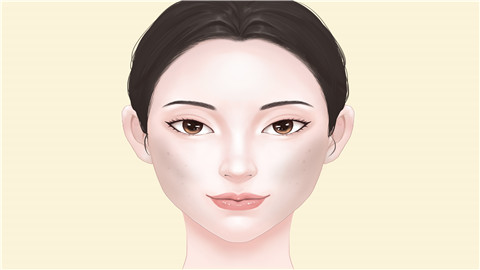
1. Friction-induced pigment deposition: Long-term use of eyeglasses, wearing turtlenecks, or frequently resting the cheek on the hand can lead to repeated friction, causing thickened keratin and localized darkening. Switching to lightweight, loose-fitting frames, choosing crew-neck or low-cut clothing, avoiding cheek support, and applying vitamin E cream after daily cleansing can promote keratin turnover.
2. Increased melanin activity after sun exposure: This area is often neglected during sun protection. UV radiation stimulates melanocytes to proliferate, resulting in dark patches. Apply sunscreen with SPF 30+ before going outdoors and wear wide-brimmed hats for physical protection. For already darkened areas, topical application of vitamin C serum may help inhibit melanin production.
3. Post-inflammatory hyperpigmentation: Previous acne, allergic reactions, or eczema in this area may leave brown or black marks after inflammation resolves. Avoid scratching or irritation, and follow medical advice to use medications such as hydroquinone cream, azelaic acid cream, or tretinoin cream to lighten pigmentation.
4. Secondary pigmentation from seborrheic dermatitis: Overactive sebaceous glands trigger inflammation, presenting as redness and flaking. After healing, pigmentation may remain. Maintain local cleanliness, avoid greasy foods, and follow medical recommendations to use antifungal creams such as ketoconazole, miconazole, or clotrimazole to control inflammation and reduce pigmentation.
5. Acanthosis nigricans: Often associated with obesity or endocrine disorders, this condition causes thickened, rough skin with a grayish-brown appearance and fine velvety hair. Manage caloric intake, increase physical activity for weight loss, and follow medical advice to apply adapalene gel, tretinoin cream, or urea ointment. In severe cases, laser therapy may be considered to improve pigmentation and skin thickening.
In daily life, consume more fruits and vegetables rich in vitamin C, such as oranges and strawberries. Avoid frequent exfoliation, use lukewarm water when washing the face, minimize skin irritation, and adopt proper skincare routines to help restore normal skin tone.


