


What are the preventive measures for diseases transmitted through contact?

Generally, preventive measures against contact-transmitted diseases include frequent handwashing and proper hand disinfection, avoiding contact with patients' bodily fluids and contaminated items, maintaining environmental cleanliness and disinfection, correctly wearing protective equipment, and avoiding sharing personal items. The details are as follows:
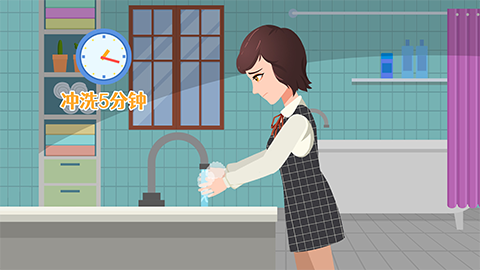
1. Frequent handwashing and proper hand disinfection: After touching public facilities or before eating and after using the toilet, hands should be washed thoroughly with running water and soap for at least 20 seconds using a scrubbing motion. If immediate handwashing is not possible, an alcohol-based hand sanitizer can be used to wipe the hands, reducing the number of pathogens on the skin and interrupting the route of contact transmission.
2. Avoid contact with patients' bodily fluids and contaminants: For individuals confirmed to have contact-transmitted diseases, their blood, saliva, and secretions may carry pathogens and should not be touched directly. When caring for patients, tools such as disposable gloves should be used, and standard disinfection procedures must be followed immediately after contact to prevent pathogen residue.
3. Maintain environmental cleanliness and disinfection: Frequently touched surfaces at home or in the workplace—such as door handles, desks, and light switches—should be disinfected regularly. These surfaces can be wiped with diluted chlorine-based disinfectants, left for a period of time, then wiped clean with water to reduce the number of viable pathogens in the environment and lower the risk of infection via contact.
4. Correct use of protective equipment: In crowded places or when in contact with suspected cases, masks should be worn properly to prevent respiratory droplets from entering the mouth and nose. When there is potential exposure to patients’ bodily fluids or contaminants, disposable gloves, protective gowns, and other protective gear should be worn. Both putting on and removing protective equipment must follow established protocols to avoid self-contamination.
5. Avoid sharing personal items: Personal items such as towels, toothbrushes, utensils, and razors should be used individually and never shared. These items may retain bodily fluids or skin flakes, and sharing them could lead to cross-transmission of pathogens, especially in households or communal living environments where extra caution is needed.
During prevention efforts, individuals should monitor their health closely. If symptoms such as fever or rash appear, medical attention should be sought promptly, and any relevant exposure history should be disclosed to healthcare providers.


